Miami-Dade & Broward · 24/7
Safe Repair: Handles, Bolt Work & Break-In Damage
The lock is only one part of a safe. Handles, bolts, hinges and the devices that lock a safe down under attack all wear, bend or break, and any one of them can leave you locked out.
Answered by Yossi, 24/7 · Registered & insured · Mobile service
Updated
In short
Safe repair is fixing the mechanical parts of a safe other than the lock: the handle, the bolts that hold the door shut, the hinges and the relocking devices that trigger under attack. You need it when the handle slips or binds, the door drags, a relocker has fired, or someone has attacked the safe. Safe Tech Locksmith repairs safes on-site and says plainly when one is not worth fixing.
A safe can have a perfectly good lock and still refuse to open. The handle slips, the bolts drag, the door has dropped on its hinges, or a relocker has fired and locked everything down. Safe Tech Locksmith repairs the mechanical side of safes on-site, for homes and businesses within about 20 miles of Sunny Isles Beach. Problems with the lock itself are covered under safe lock repair.
Handles and bolt work
On most safes the lock does not hold the door shut. It holds back the bolt work, and the bolt work holds the door. When you enter the right code, the lock releases, the handle drives the bolts back, and the door opens. A fault anywhere in that chain feels like a lockout.
A handle that spins freely has usually lost its connection to the bolts. A handle that needs force usually means the bolts are under pressure, often from a sagging door or from contents leaning against the inside of it. The guide on what to do when the safe handle will not turn explains what you can safely try and when to stop.
Doors and hinges
Heavy doors drop over time. Liberty’s maintenance advice is to cycle the handle three to five times with the door open and watch for uneven travel, grinding or sticking, and it treats a door that only closes when lifted as an alignment problem rather than one more squirt of lubricant. Humidity adds rust to the mix. The guide to safe care in South Florida covers the climate side.
Relockers
A relocker is a separate device whose only job is to lock the safe down if someone attacks the lock. UL 140 covers relocking devices for safes and vaults. Once a relocker fires, the right combination will not open the door. That is why forcing a handle or prying at a stuck door is a bad idea: it can turn a simple fix into a full safe opening. A fired relocker is reset or replaced once the safe is open.
After a break-in attempt
If someone has attacked your safe, call the police before anything is repaired, and photograph the damage. Then call your insurer, and check your safe’s warranty. Liberty, for example, covers break-in damage on its safes and asks for a police report with the claim. The guide to what to do after a safe break-in attempt walks through the order of things.
Then comes the honest assessment. Many attacked safes can be repaired: a new handle, a new lock, a reset relocker. Some cannot, because the door is bent or the body is torn, and a safe that no longer closes true is not worth trusting. You hear which it is before any work starts.
Drill-point repair
When a safe has to be drilled to open it, the hole is small and placed with a purpose, and repairing it is part of the job. The hole is plugged and finished so it does not become a weak point, the failed part is replaced, and you test the safe with the door open before it goes back into service. There is more on that in will a locksmith drill my safe?
Rather hand it to a professional?Call or text Yossi, 24/7. A photo of the safe gets you a quote.
In detail
Repairs Yossi handles
Handles that spin or stick
A handle that turns freely without moving the bolts, or one that needs real force. Usually a worn or broken part behind the door.
Bolt work that binds
Bolts that drag on the frame, move unevenly or catch partway. Often door sag, or something inside pressing against the door.
Sagging doors and worn hinges
Doors that only close when lifted, or that rub the frame. Realigned before the bolts start binding every time.
Relockers that have fired
A relocking device triggered by an attack or by damage. The safe is opened and the device reset or replaced.
Drill-point repair
After a professional opening, the small hole is plugged and finished so it is not left as an easy way back in.
Break-in damage
Pried doors, broken handles, smashed dials and keypads. Assessed first, then repaired or honestly declared finished.
From the job log
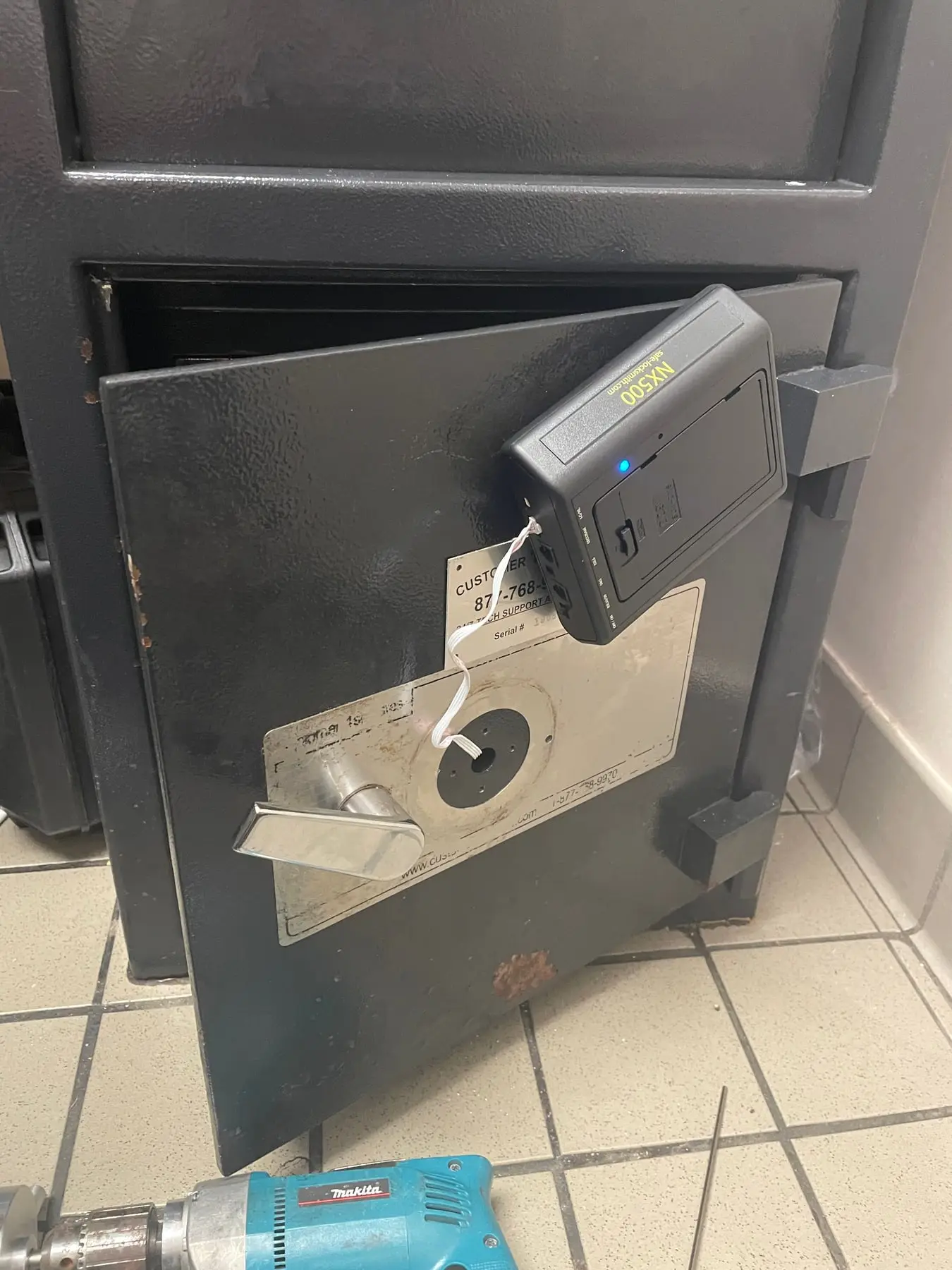
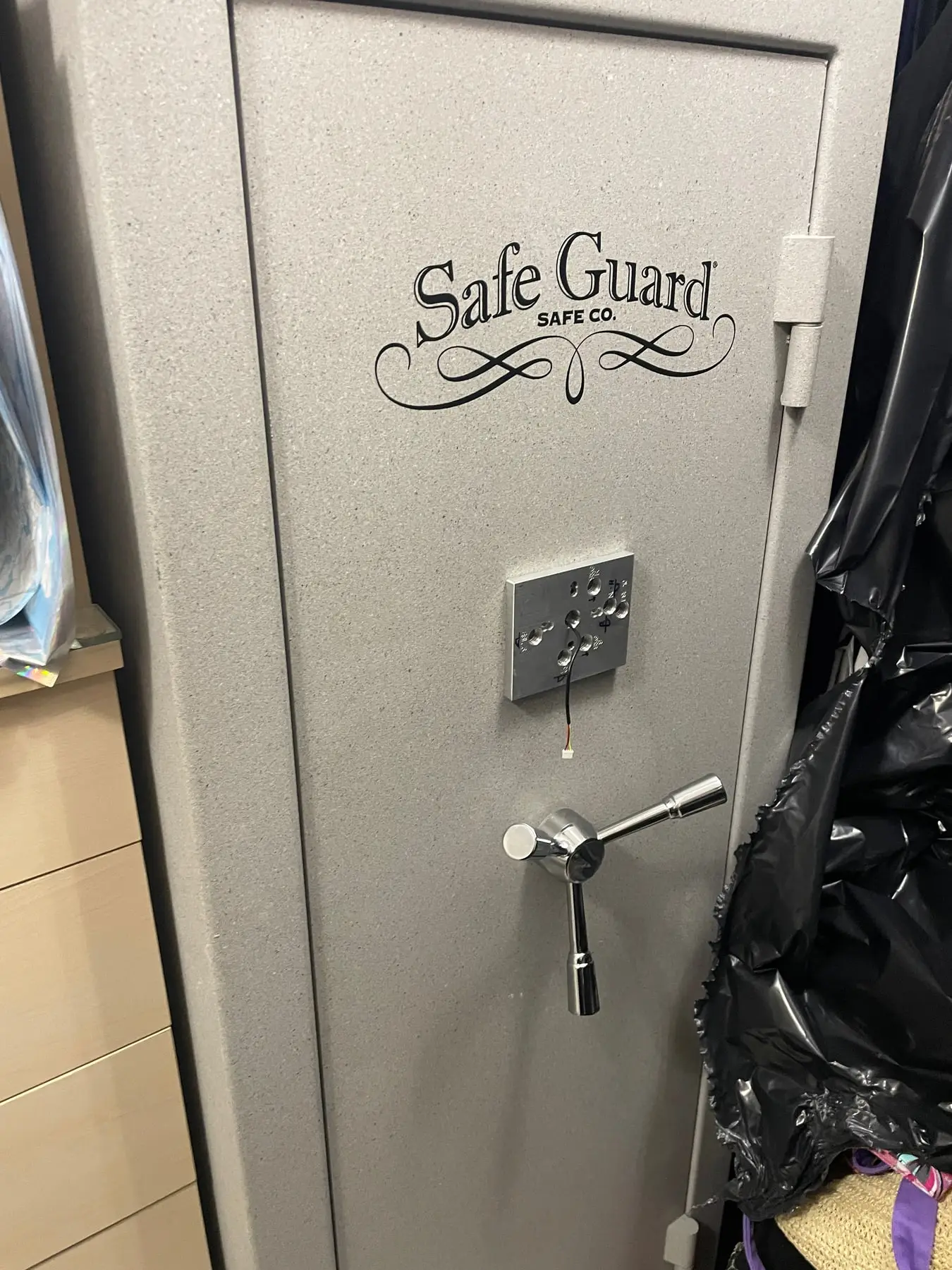
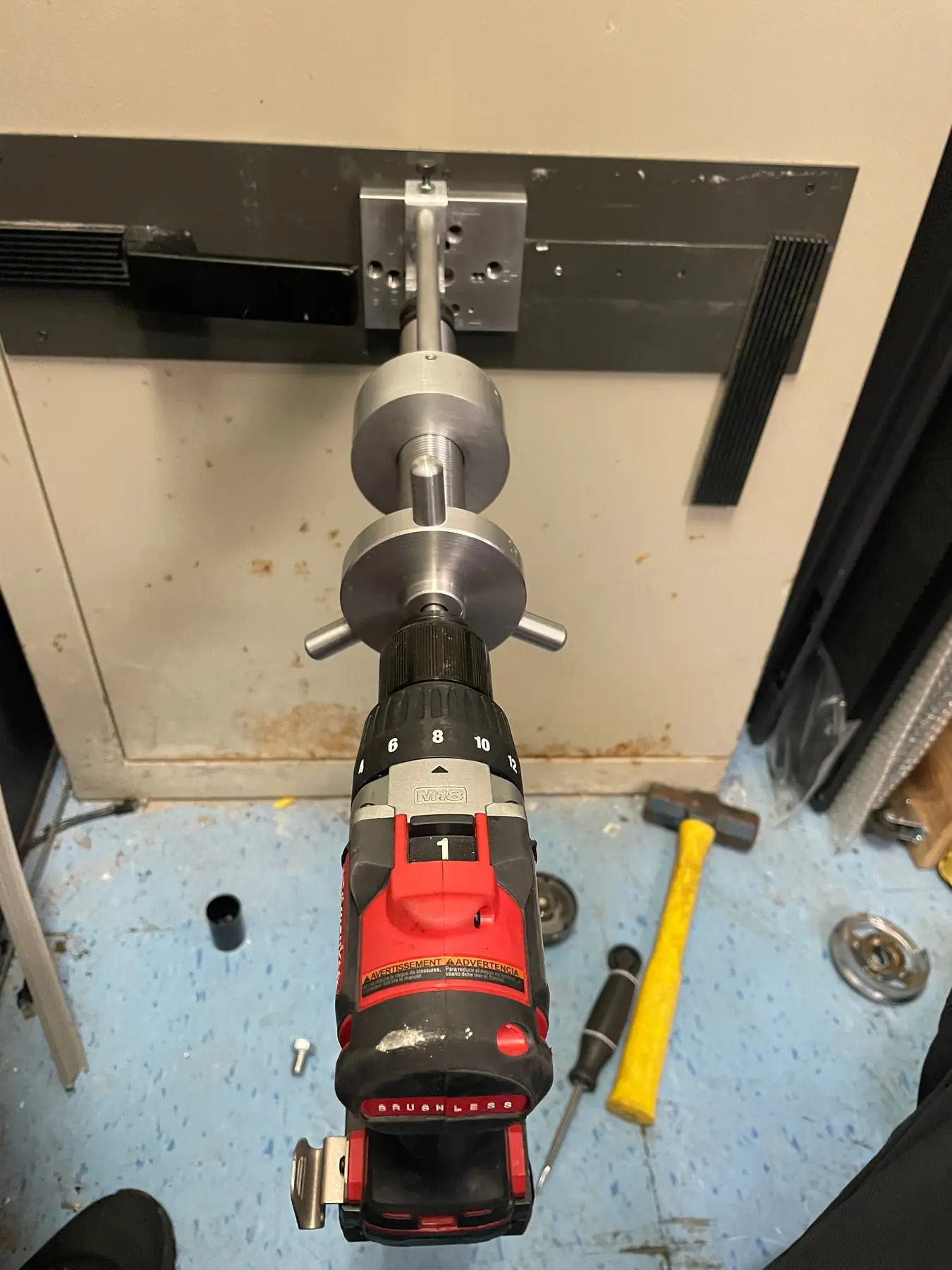
Real jobs like yours
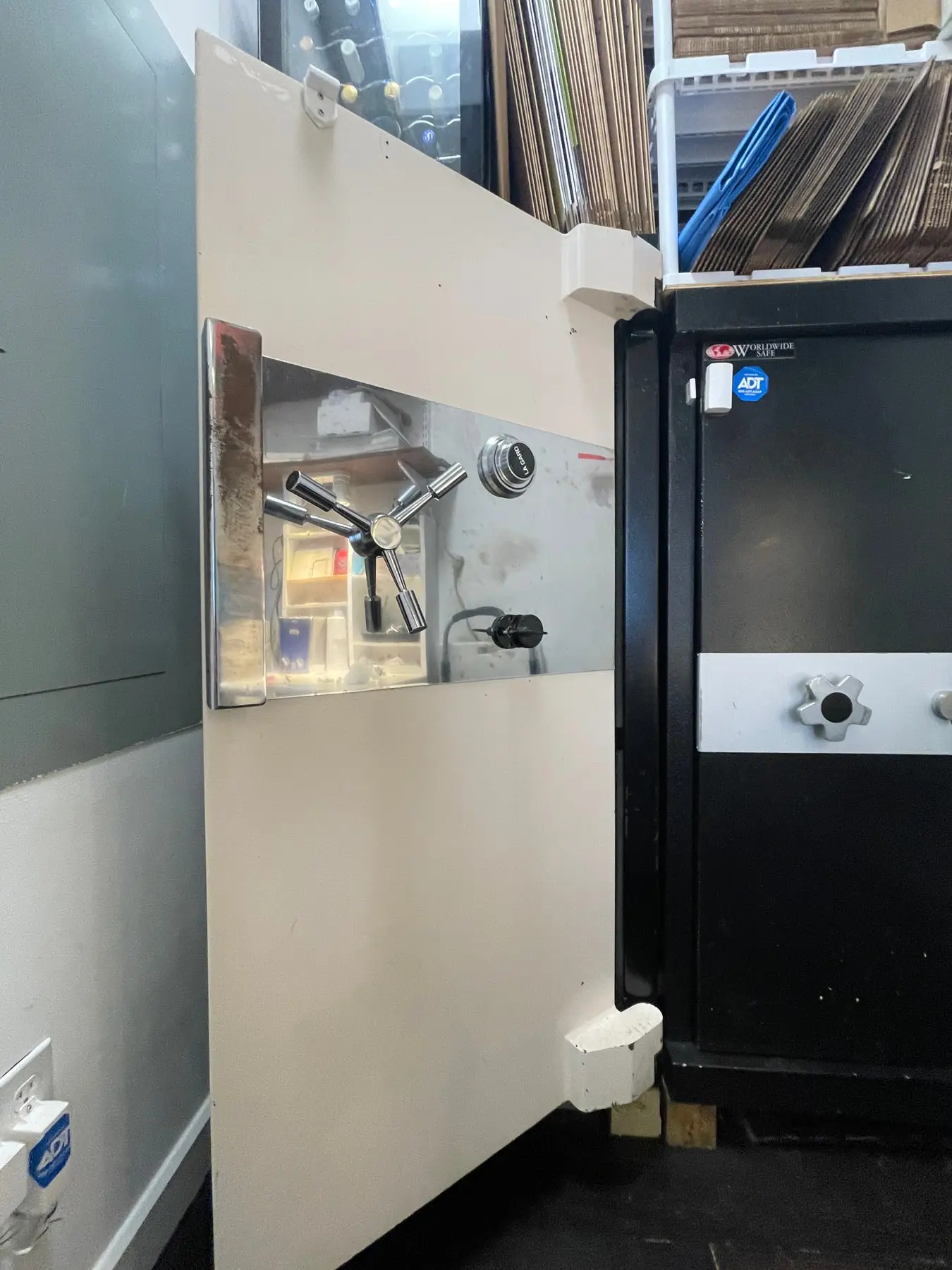
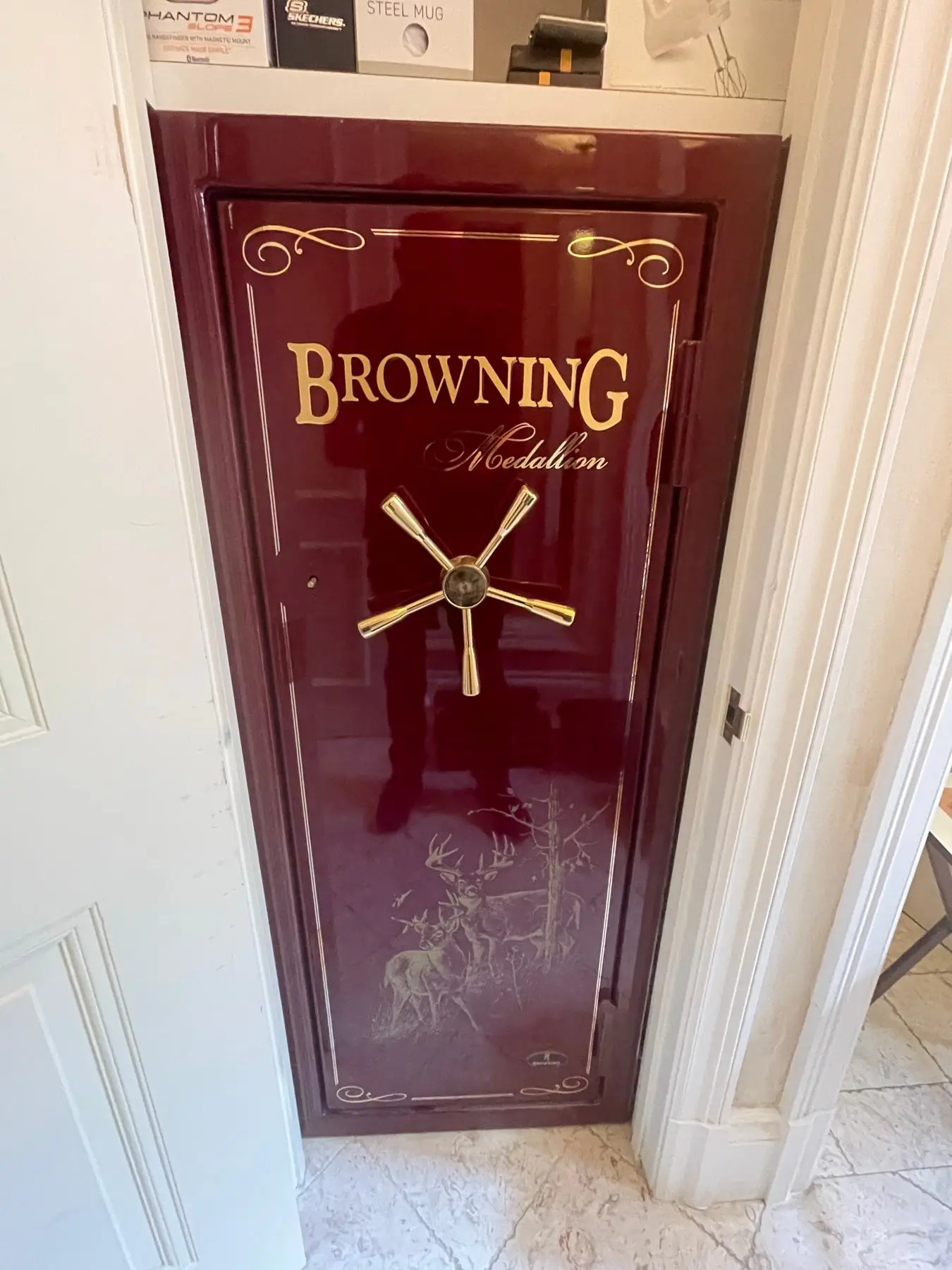
Get a quote
Send a photo. Get a price.
A photo of the door, the lock and any labels tells Yossi most of what he needs. You get a real number before anyone drives out.
- You deal with Yossi directly, not a call center.
- Quoted before the work starts.
- Registered and insured. Mobile service, 24/7.
In a hurry? It is quicker to call.
Questions
Safe repair: what people ask
Someone tried to break into my safe. Can it be fixed?
Often, yes, but not always. A safe that was pried at or had its handle or dial broken can usually be repaired. One with a bent door, a torn body or a frame pulled out of shape may never close properly again, and you will be told so. Report the attempt to the police and call your insurer before any repair, so the damage is on record.
My safe handle just spins. Is the safe broken?
Something is, but it is usually a repairable part. A handle that turns with no resistance has often lost its connection to the bolt work, for example through a sheared pin or a worn clutch. Do not keep forcing it. If the door is shut and will not open, it is opened first, and then the handle mechanism is repaired.
What is a relocker and why would it lock my safe?
A relocker is a separate device that locks the bolt work or door if the lock is attacked. UL 140 is the standard for relocking devices on safes and vaults. Once a relocker fires, the safe stays locked even with the right combination, so it has to be professionally opened and the device reset or replaced.
Will my safe manufacturer pay for break-in damage?
Some will. Liberty, for example, says it will repair or replace a safe damaged by an attempted break-in for as long as you own it. Its warranty document asks for a police report and a copy of your homeowners insurance coverage, and says modifying the safe can void it. Read your own safe's warranty before any repair work starts.
Is a drilled safe still secure after it is repaired?
In most cases, yes. The hole from a professional opening is small and placed for a reason, and it is plugged and finished afterwards so it is not an easy way back in. On a UL-rated safe, ask the manufacturer or your insurer whether the rating still applies after a repair. The failed lock is replaced too, and you test everything with the door open before the safe goes back into service.
My safe door is hard to close. Can I just oil it?
Not as a fix. Liberty's own maintenance advice is that a door that only closes when lifted, or that rubs the frame, has an alignment problem, not a lubrication problem. A very small amount of lubricant on exposed bolt surfaces is fine, kept well away from the lock and keypad. If you have to force the handle, stop and have it looked at.
Guides
Read before you call
Someone Tried to Break Into My Safe. What Should I Do Now?
Police report, photos, insurance and the manufacturer's warranty come first. Then an honest look at whether the safe can be repaired.
Read the guideTroubleshootingRight Code, but the Safe Handle Won't Turn
The lock beeps or the dial stops, but the handle will not budge. What is usually wrong and what you can safely try.
Read the guideHiring a safe technicianWill a Locksmith Have to Drill My Safe?
Not always. When a safe gets drilled, why, and what it looks like afterwards.
Read the guideOwning a safeHow Do I Care for a Safe in South Florida Heat, Humidity and Salt Air?
Humidity control, battery schedules, hurricane prep and what to do with a flooded safe, based on what the manufacturers recommend.
Read the guideAlso available
Related services
Safe Lock Repair & Upgrades
Dials that drift, keypads that fail, combinations too many people know. Repaired, replaced or upgraded on-site.
DetailsSafe Opening & Lockouts
Lost combination, dead keypad, jammed bolt work. Opened on-site and put back in service.
DetailsGun Safe Lockouts, Keypads & Lock Repair
Gun safe lockouts, failed keypads and lock swaps on Liberty, Browning, Cannon, Bighorn and other brands.
DetailsCommercial & Business Safes
Drop, depository, floor, jewelry and office safes for stores, restaurants and offices. Opened, repaired and re-coded on-site.
DetailsBrand by brand
Where safe repair is available
Facts checked against
- Hinge & Bolt Maintenance for Gun Safes: Ensure Smooth Operation (Liberty Safe)
- UL 140, Relocking Devices for Safes and Vaults (GlobalSpec listing of the UL standard)
- Liberty's Home and Gun Safe Lifetime Warranty Explained (Liberty Safe)
- Liberty Safe and Security Products limited lifetime warranty (PDF)
Locked out right now?
Call or text a photo of the safe or lock. You get a straight answer and a real price before anyone drives out.