Miami-Dade & Broward · 24/7
Safe Keypad & Electronic Lock Replacement
An electronic lock that has started to misbehave rarely gets better. Replacing it while the door still opens is a planned job. Waiting usually turns it into a lockout.
Answered by Yossi, 24/7 · Registered & insured · Mobile service
Updated
In short
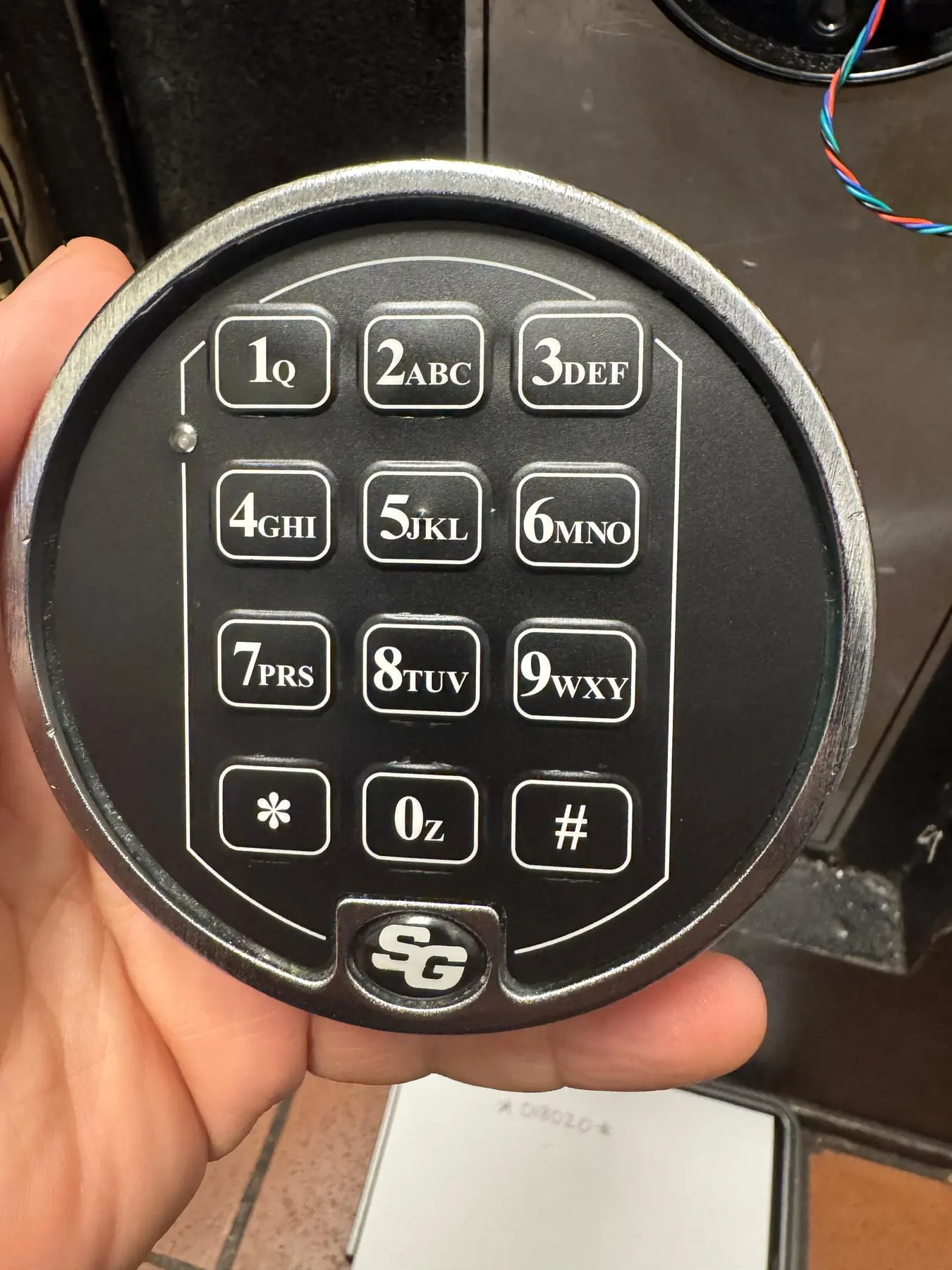
Safe keypad replacement means removing a failed or unreliable electronic safe lock, both the keypad outside and the lock body inside the door, and fitting a new one. The same work converts a mechanical dial to a keypad, or a keypad back to a dial. You need it when a keypad keeps failing with fresh batteries, shows errors, or you want a different kind of lock.
Electronic safe locks fail in a predictable way. First the battery seems to die early, then the keypad needs a second try, then one evening it does not open at all. Safe Tech Locksmith replaces electronic safe locks and keypads on-site, and converts safes from dial to keypad or back, anywhere within about 20 miles of Sunny Isles Beach.
When it is the lock, not the battery
Always start with a fresh battery of the type your lock takes. The guide to changing a safe keypad battery covers common locks. Low-battery signals vary: on La Gard 3000-series keypads, repeated flashing and beeping during an opening is the warning to replace the battery right away.
If a new battery changes nothing, stop entering codes. Most electronic locks punish wrong entries with a penalty delay. La Gard’s 3000 series, for example, waits five minutes after four invalid codes, and the SecuRam ProLogic L01 that Liberty fits waits four minutes after four. Keep guessing and each new run of wrong codes can start the delay over. The guide to safe lockout mode explains what is going on.
Signs that the lock itself is failing:
- It needs a fresh battery far more often than it should.
- Good codes are accepted one day and refused the next.
- Buttons stick, or some keys stop registering.
- The display shows an error or a communication message.
- Corrosion on the battery contacts or under the keypad.
What a replacement involves
An electronic safe lock has three parts: the keypad on the outside, a cable through the door, and the lock body on the inside that moves the bolt. A replacement swaps the parts that failed, and usually the whole set, so the keypad and lock are matched.
The new lock has to suit the safe. The lock body must work with the safe’s bolt work, and the keypad must mount on the door. As Locksmith Ledger points out in a retrofit write-up, many electronic lock bodies share the footprint of standard mechanical locks, but keypads often mount on a different pair of screw holes than a dial ring, so the door may need new holes. Cheap safes with built-in solenoid locks are another matter, and Liberty notes they usually lack replaceable parts.
Once the lock is in, it is tested repeatedly with the door open, along with the bolt work and the safe’s relocking device. Then you set your code and test it yourself. The door closes only after that.
Dial to keypad, keypad to dial
Converting goes both ways. A keypad is quicker, and on most models you change the code yourself. A dial has no battery and nothing electronic to fail. The comparison of dial and electronic locks helps you decide. Whichever way you go, the new lock gets a combination only you know, and changing it later is straightforward.
Already locked out
If the keypad has failed with the door shut, the safe is opened first. See safe opening for what that involves. The new lock goes on during the same visit in most cases. Send a photo of the keypad and safe through the quote form, and you get a quote and a recommendation before anyone drives out. Keypad work comes up most often on gun safes and home safes.
Rather hand it to a professional?Call or text Yossi, 24/7. A photo of the safe gets you a quote.
In detail
Keypad and lock jobs
Dead or erratic keypads
Keypads that stay dark with a fresh battery, need several tries to accept a good code, or show an error message instead of opening.
Worn and damaged keypads
Buttons that stick or stop registering, cracked housings, and battery contacts corroded by humid, salty air.
Dial-to-keypad conversions
A mechanical dial swapped for an electronic lock. Quicker to open, codes you can change yourself, and more than one user on many models.
Keypad-to-dial conversions
For a safe opened a few times a year, or an owner who wants nothing on the safe that needs a battery.
Budget lock upgrades
Low-cost factory locks replaced with a better electronic lock, such as a Sargent & Greenleaf, where the door will accept one.
Business lock features
Electronic locks with time delay, audit trails, dual control or many user codes, fitted to drop, depository and office safes.
From the job log
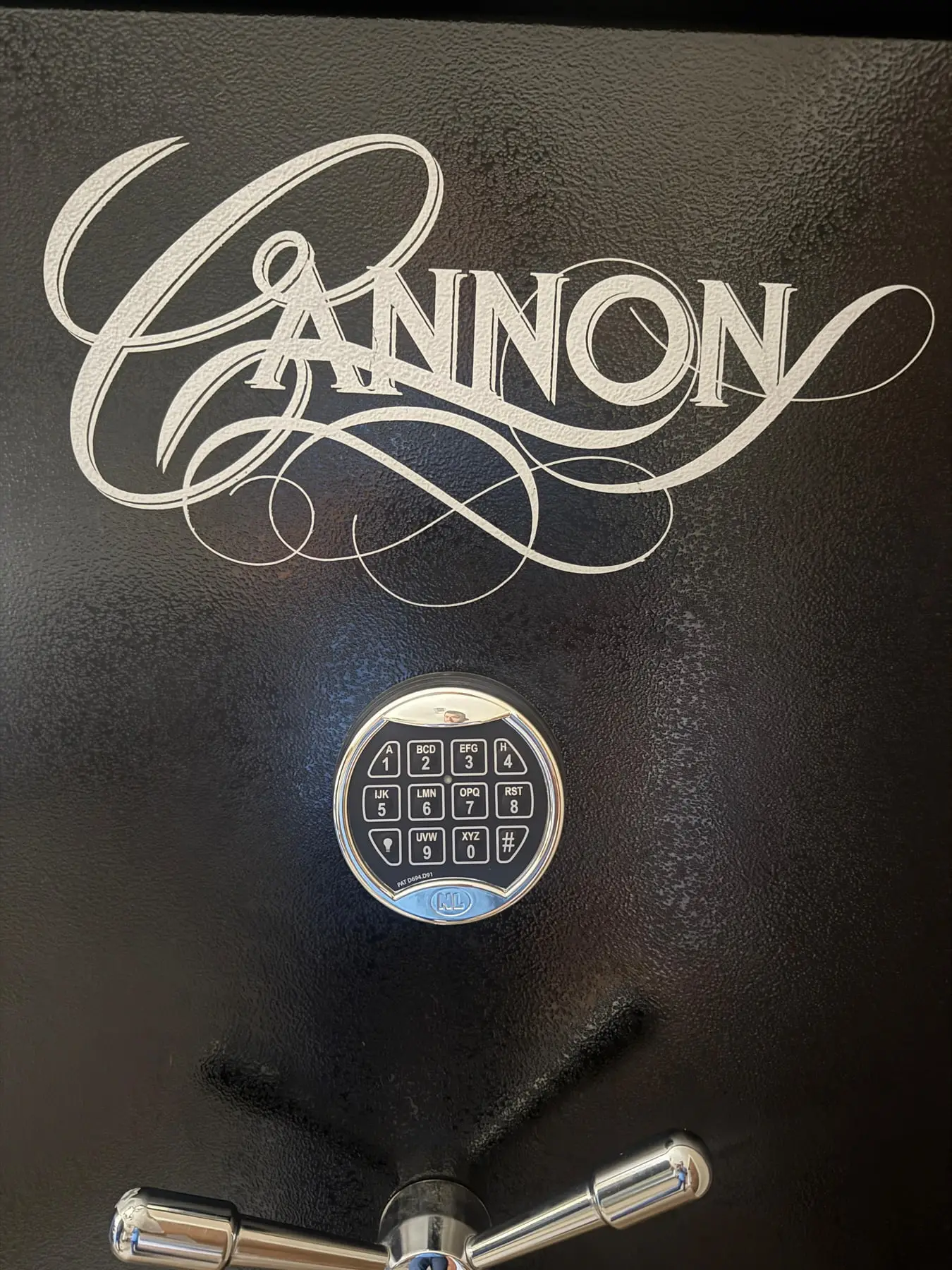
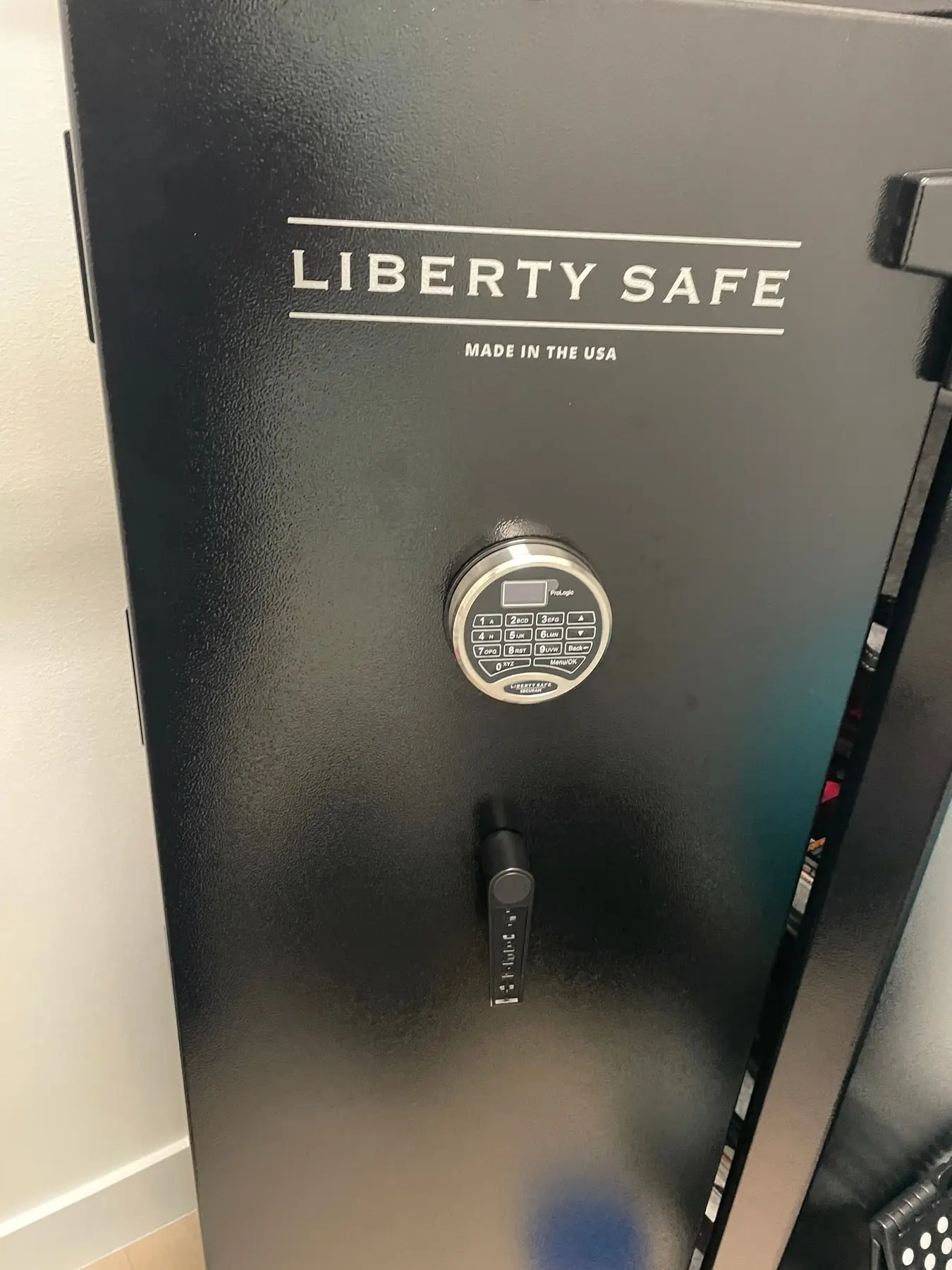
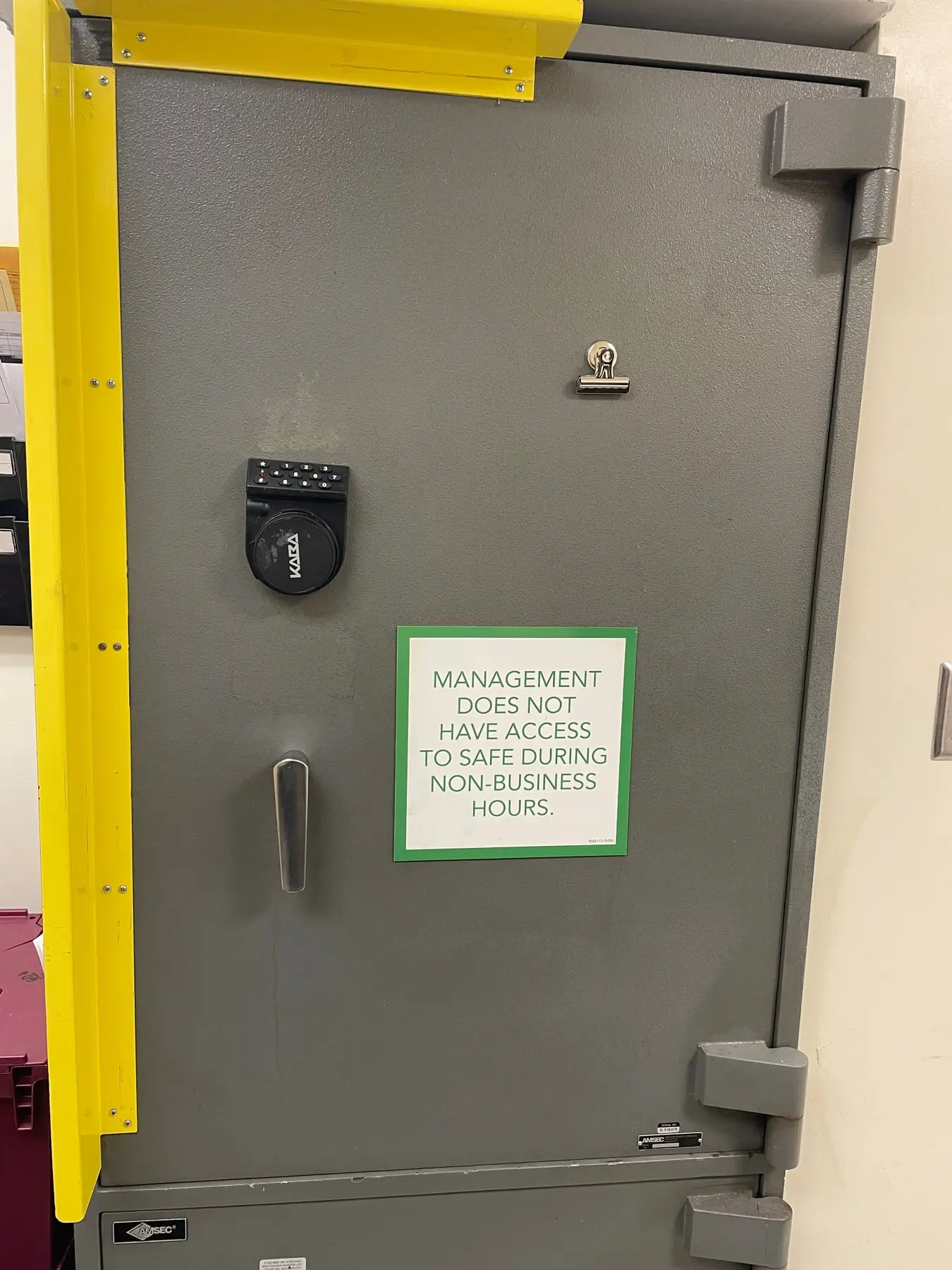
Real jobs like yours
Get a quote
Send a photo. Get a price.
A photo of the door, the lock and any labels tells Yossi most of what he needs. You get a real number before anyone drives out.
- You deal with Yossi directly, not a call center.
- Quoted before the work starts.
- Registered and insured. Mobile service, 24/7.
In a hurry? It is quicker to call.
Questions
Keypad replacement: what people ask
My safe keypad works only sometimes. Is it the battery or the lock?
Start with a fresh alkaline battery of the type your lock takes. If the problem continues, the keypad, its cable or the lock body is the likely cause. Liberty notes that a "Fail to link lock" message on its SecuRam ProLogic locks generally points to a damaged keypad cable. A lock that works only some of the time should be replaced before it stops working with the door shut.
Can any safe take an electronic keypad?
Many can, but not all. Safes with a standard lock body can usually take an electronic lock, though the door sometimes needs extra mounting holes for the keypad. Low-cost safes with built-in solenoid locks often lack a standard mounting pattern, which makes a conversion harder or not worth it. A photo of the lock tells Yossi which case you have.
Should I get a dial or a keypad on my safe?
A keypad opens quickly, lets you change the code yourself and often supports several users. It needs a battery, and Liberty suggests changing it every 6 to 12 months. A dial has no battery and no electronics, but it is slower to dial and changing its combination usually needs a locksmith. For daily use most people prefer a keypad. For a safe opened a few times a year, a dial makes sense.
My safe is new. Should I call the manufacturer before replacing the lock?
Yes, if the lock is still under the manufacturer's warranty. Liberty, for example, covers its locks for five years, separately from the safe's lifetime warranty, and may replace a failed lock itself. Warranty service will not open a locked door tonight, though, so if you are locked out now, the safe is opened first and the warranty question comes after.
Can I keep a dial as a backup when I add a keypad?
Some safes can take a redundant setup with both a dial and an electronic lock, and some high-security safes come that way from the factory. Whether yours can depends on the door and how much room it has inside. Mention it when you send the photo and you will get a straight answer.
Guides
Read before you call
Dial vs. Electronic Safe Lock: An Honest Comparison
Mechanical dial or keypad? What each does well, how each fails, and the upkeep each one needs.
Read the guideTroubleshootingHow to Change the Battery on an Electronic Safe Lock
Where the battery hides on common safe keypads, which battery to buy, and how to test the lock before you trust it again.
Read the guideTroubleshootingSafe Keypad Beeps but Won't Open: What to Check First
Your keypad still beeps but the bolt will not move. The checks to make before you call, in the right order.
Read the guideTroubleshootingSafe Lockout Mode: How Long It Lasts and What Not to Do
Too many wrong codes put the keypad to sleep. Typical wait times on common locks, and how not to make it longer.
Read the guideAlso available
Related services
Safe Lock Repair & Upgrades
Dials that drift, keypads that fail, combinations too many people know. Repaired, replaced or upgraded on-site.
DetailsSafe Combination & Code Changes
A new combination on a mechanical dial or a new code on an electronic lock, set on-site and tested with the door open.
DetailsGun Safe Lockouts, Keypads & Lock Repair
Gun safe lockouts, failed keypads and lock swaps on Liberty, Browning, Cannon, Bighorn and other brands.
DetailsHome, Fire & Wall Safe Service
Small home safes, fire safes, closet safes and wall safes opened, repaired and re-coded right where they are installed.
DetailsBrand by brand
Where keypad replacement is available
Facts checked against
- Electronic Safe Lock Retrofit (Locksmith Ledger)
- Safe Locks 101 (Liberty Safe)
- ProLogic (SecuRam) Troubleshooting (Liberty Safe)
- Battery Low Warning in LA GARD 3000 Electronic Entry Device (dormakaba)
- WRONG TRY PENALTY in LA GARD 3000/3035 Electronic Entry Device (dormakaba)
- Liberty's Home and Gun Safe Lifetime Warranty Explained (Liberty Safe)
Locked out right now?
Call or text a photo of the safe or lock. You get a straight answer and a real price before anyone drives out.