Miami-Dade & Broward · 24/7
Depository & Drop Safe Service
A depository safe is built so staff can put money in without being able to take it out. When the lock fails or the person with the code leaves, that design starts working against you.
Answered by Yossi, 24/7 · Registered & insured · Mobile service
Updated
In short
Depository safe service covers the drop safes and deposit safes used by cash-handling businesses. Safe Tech Locksmith opens them on-site when a key is lost, a combination is forgotten or an electronic lock fails, and changes combinations or user codes when a manager or employee leaves. Authorization from the owner or a manager is required before any work starts.
Depository safes sit in the back offices of gas stations, restaurants, retail stores and offices, anywhere cash changes hands during the day. Safe Tech Locksmith opens, re-codes and repairs them where they stand, anywhere within about 20 miles of Sunny Isles Beach.
How a depository safe is laid out
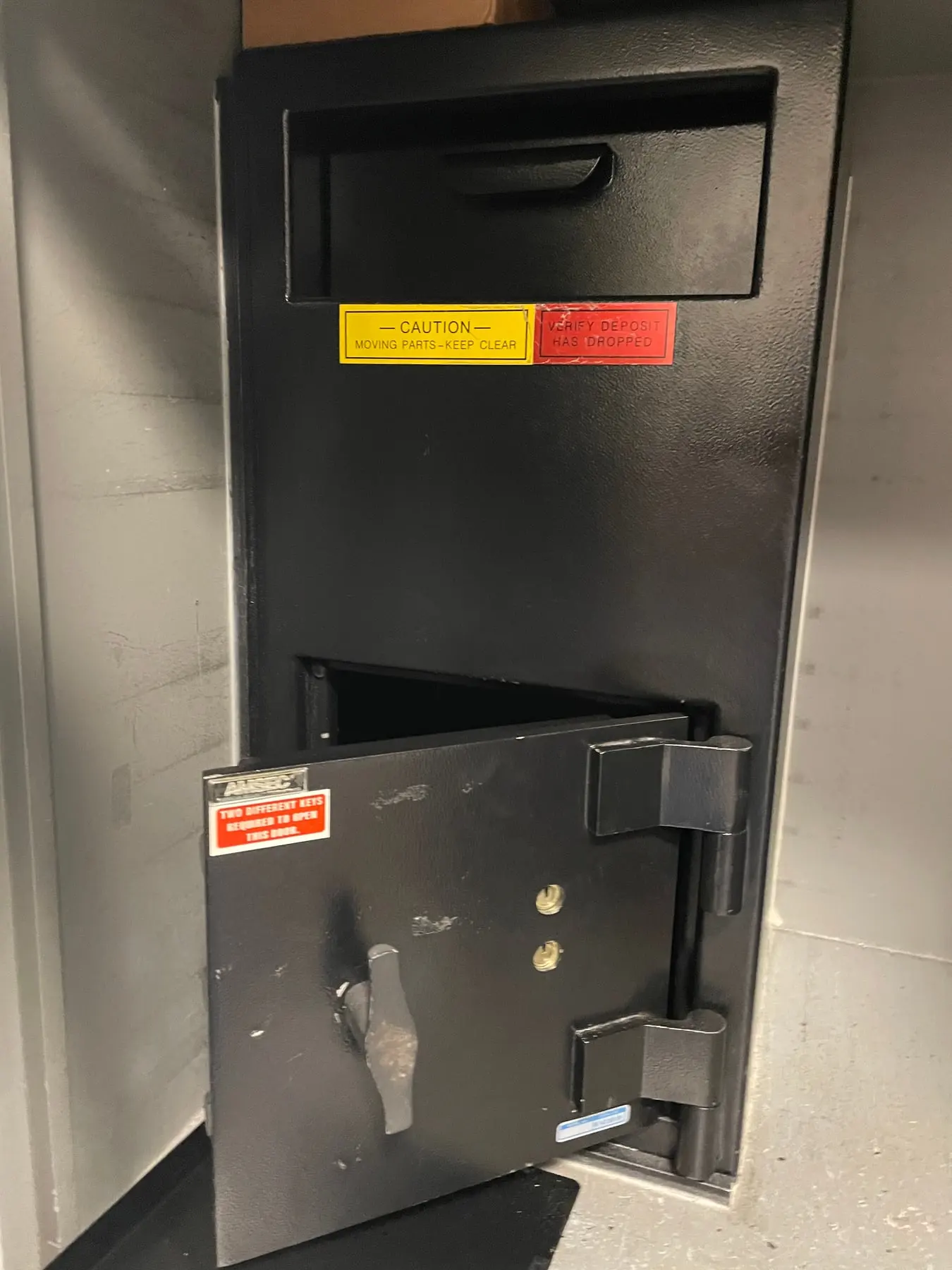
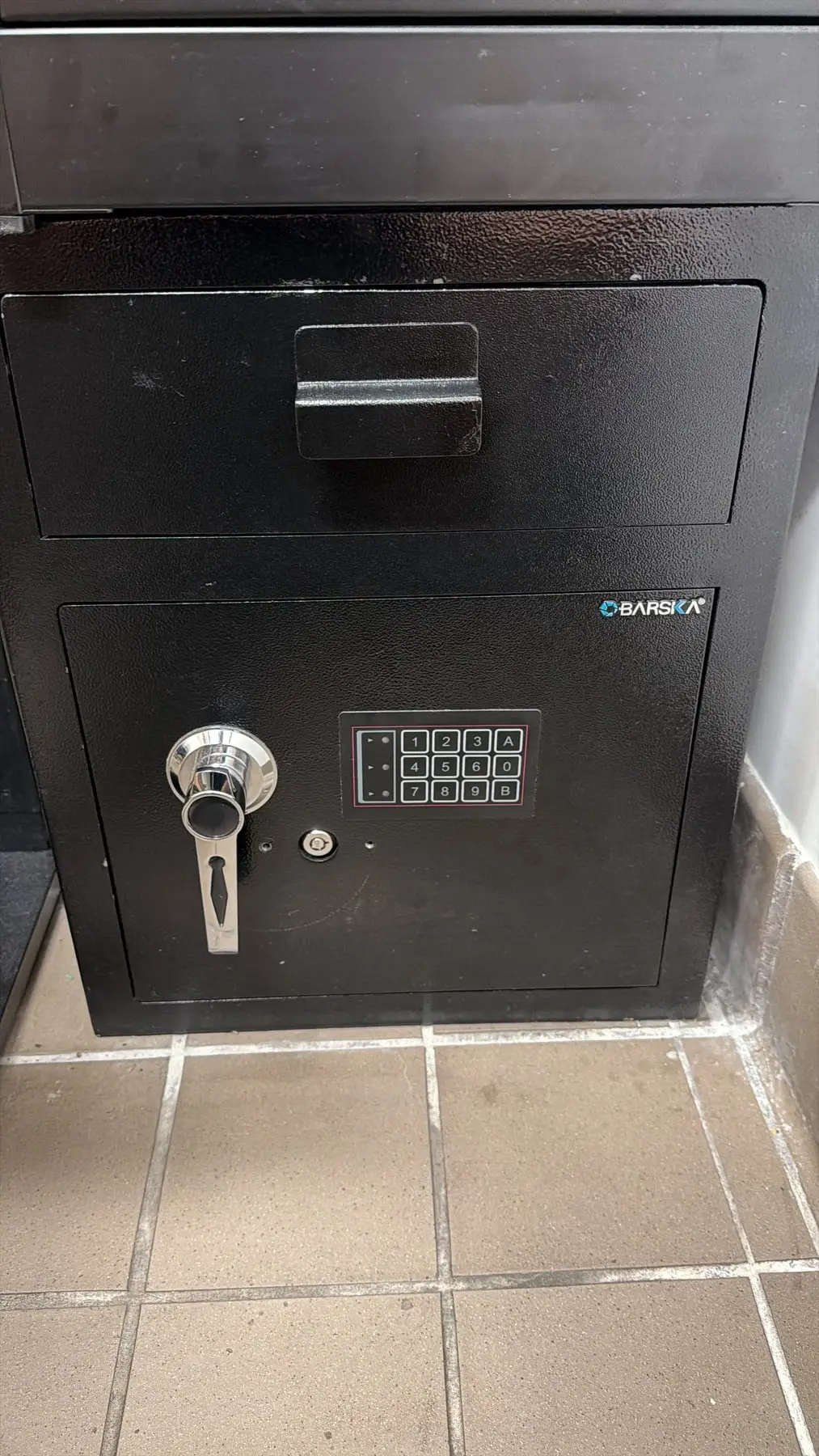
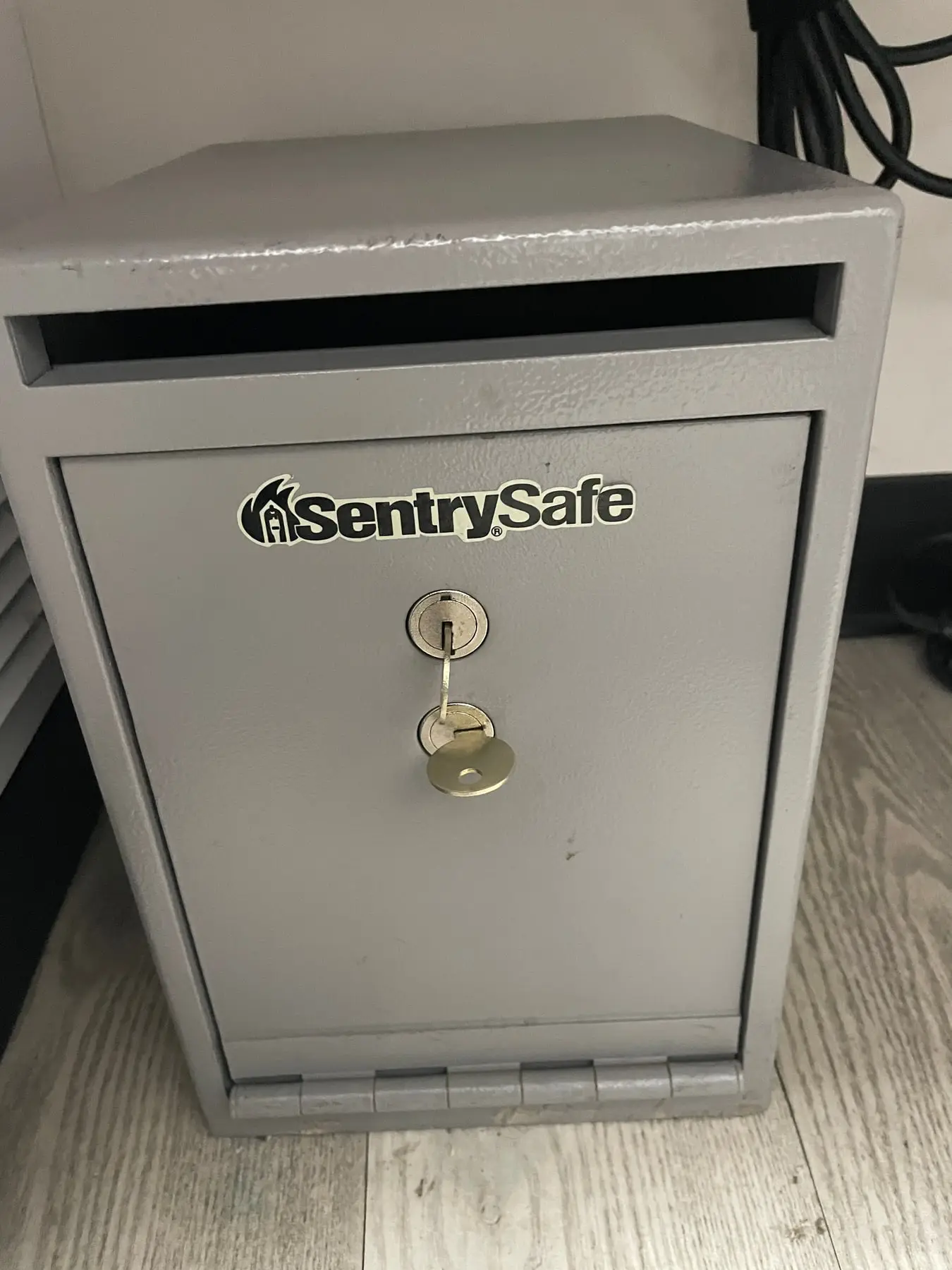
A depository safe has two parts. The upper part takes deposits through a slot, a pull-out drawer or a rotating hopper, and a baffle inside stops anyone from fishing them back out. Gardall builds its heavy-duty depository line so deposits can be made while the door is locked. The lower compartment holds everything that has been dropped, and only someone with the key, combination or code can open it.
The locks vary more than the safes do. Some use a key, and some of those need two different keys turned at once (dual custody), so that no single person can open the door. Others use a mechanical dial or an electronic keypad. Commercial electronic locks can add separate manager and employee codes, a time delay and an audit trail. Sargent & Greenleaf’s Audit Lock, for example, holds a programmer code, three manager codes, six supervisor codes and twenty user codes, with a time delay that can be set from one to ninety-nine minutes.
When someone with access leaves
Treat every key and code a former key-holder had as gone with them. What happens next depends on the lock:
- Dial lock: a new combination is set and the old one stops working. If the safe is open, Yossi can change the combination on a scheduled visit.
- Electronic lock with user codes: that person’s code is deleted. If they knew a manager code, that changes too.
- Key lock: the lock is changed to new keys, because a copied key cannot be recalled.
Who should hold the combination, and how often to change it, is a policy question as much as a lock question. That is the subject of who should know your business safe combination.
Locked out of the safe
If an electronic lock has refused several codes in a row, stop entering them. Many locks go into a wrong-code penalty lockout, and every extra attempt can restart the clock.
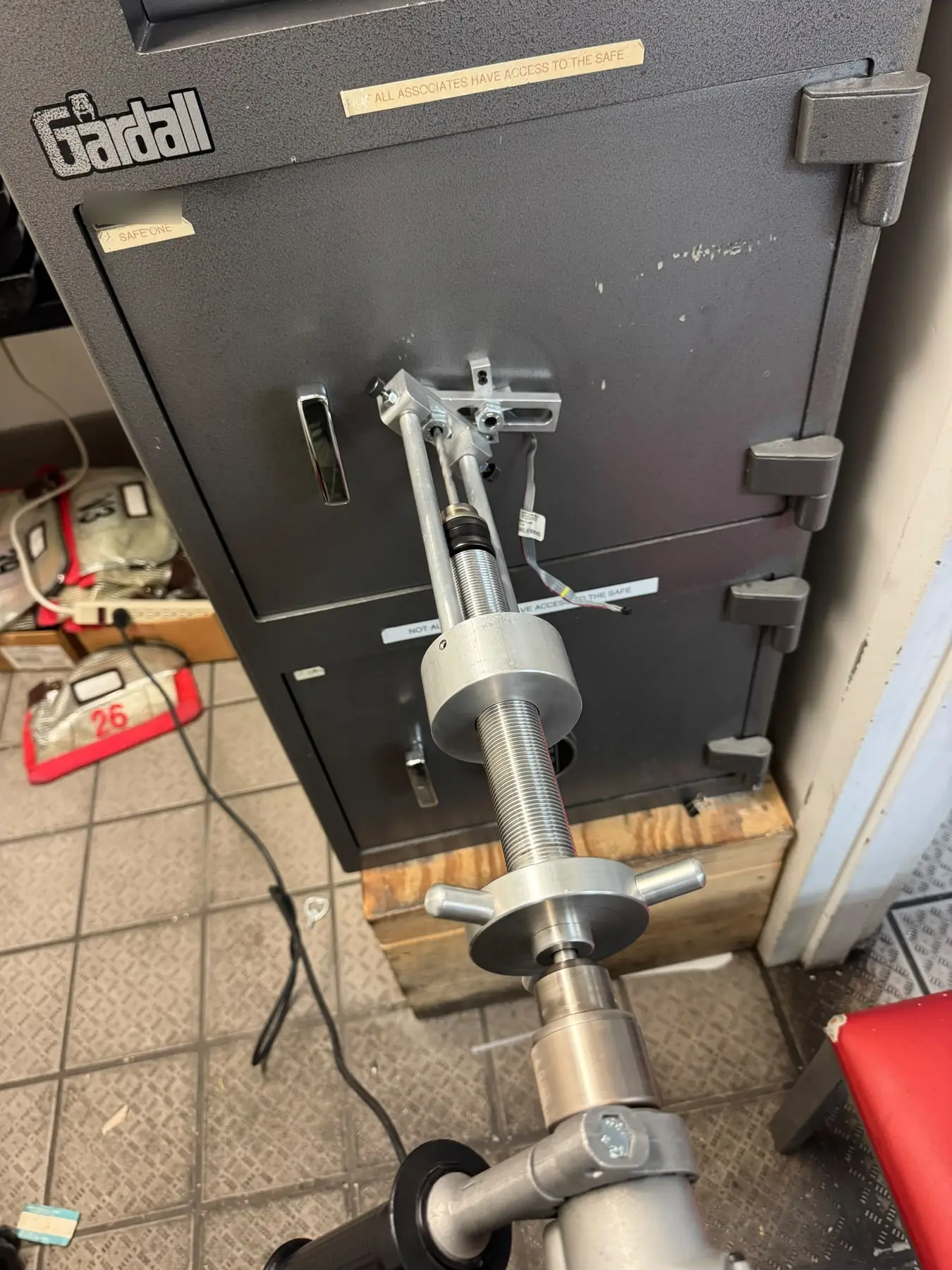
When the safe will not open, it is opened on-site with the least invasive method that fits the lock. If drilling is needed, it is one small, measured hole that is repaired afterwards, so the business keeps its safe. The lock is then repaired or replaced, and you test it with the door open. A failing keypad can be swapped for a better one, or a dial for a keypad (safe keypad replacement). Someone from the business should be there when the door opens: Yossi does not handle, count or remove what is inside.
Who can ask for the work
The business owner, or a manager the owner has put in charge of that safe. Yossi will want to see ID and a document that links you to the business before a lock is opened or any access is changed. A safe that belongs to a franchisor, a landlord or a cash-logistics provider needs their approval as well, and many leased cash-management units can only be serviced by the company that supplied them.
For other safes in the same building, from office safes to floor safes, see commercial safe service.
Rather hand it to a professional?Call or text Yossi, 24/7. A photo of the safe gets you a quote.
In detail
Depository safe jobs
Lost or missing keys
Key-locking drop safes, including dual-custody locks that need two keys at once, when one or both keys have gone missing.
A combination that walked out the door
The one person who knew the dial combination quit, retired or was let go, and nobody wrote it down.
Electronic lock failures
Keypads that stop responding, locks stuck in a wrong-code penalty, or a code that worked yesterday and is refused today.
Code changes after turnover
A new combination or new user codes so a former employee's access ends. On an open safe this is a scheduled visit, not an emergency.
Dial to keypad, or back
A mechanical dial swapped for an electronic lock with separate user codes, or a troublesome keypad replaced with a dial, where the safe accepts it.
After a break-in attempt
Pried doors, punched dials and attacked locks. Opened, assessed honestly, and repaired if the safe is still worth trusting.
From the job log
Real jobs like yours
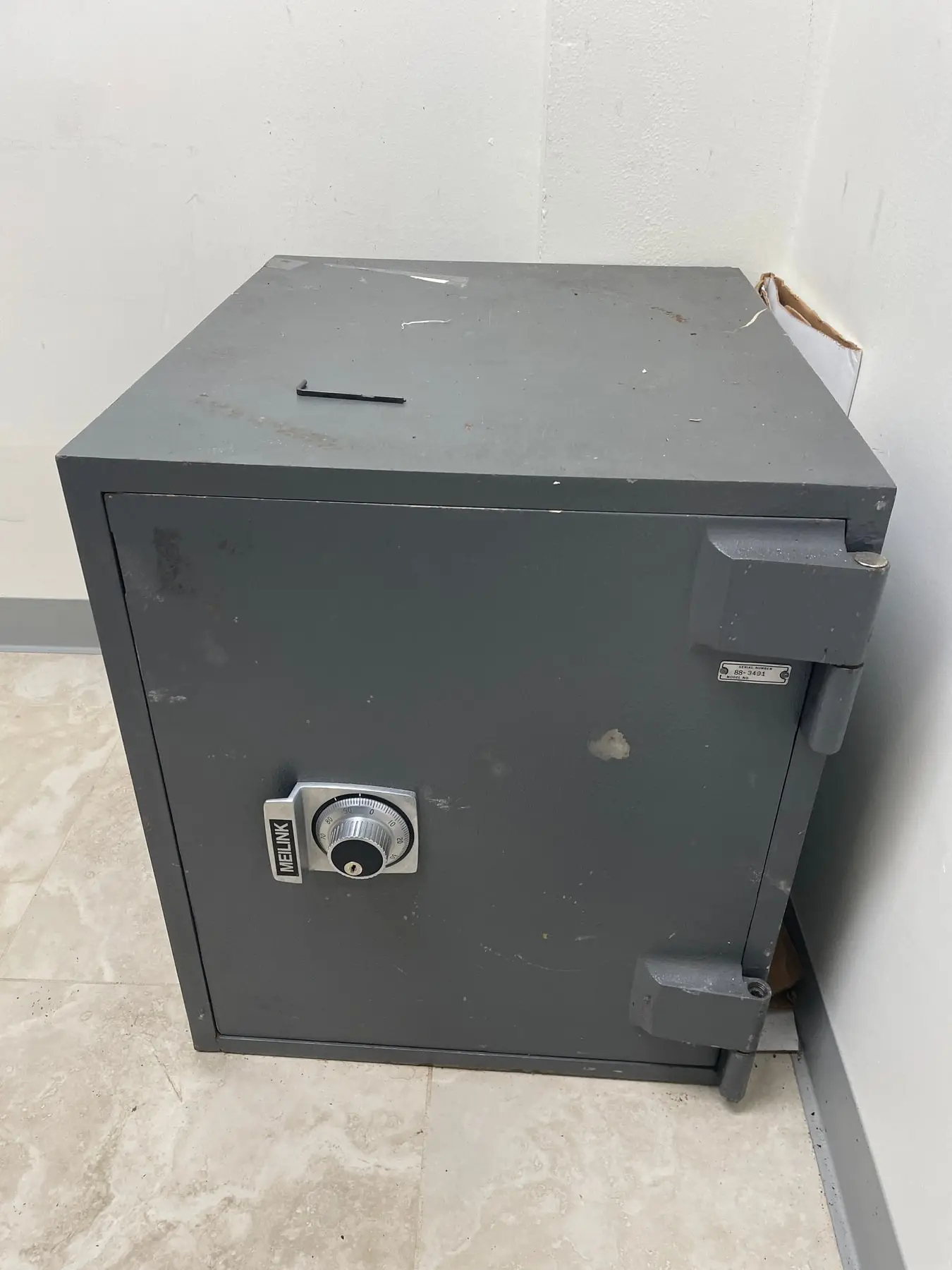
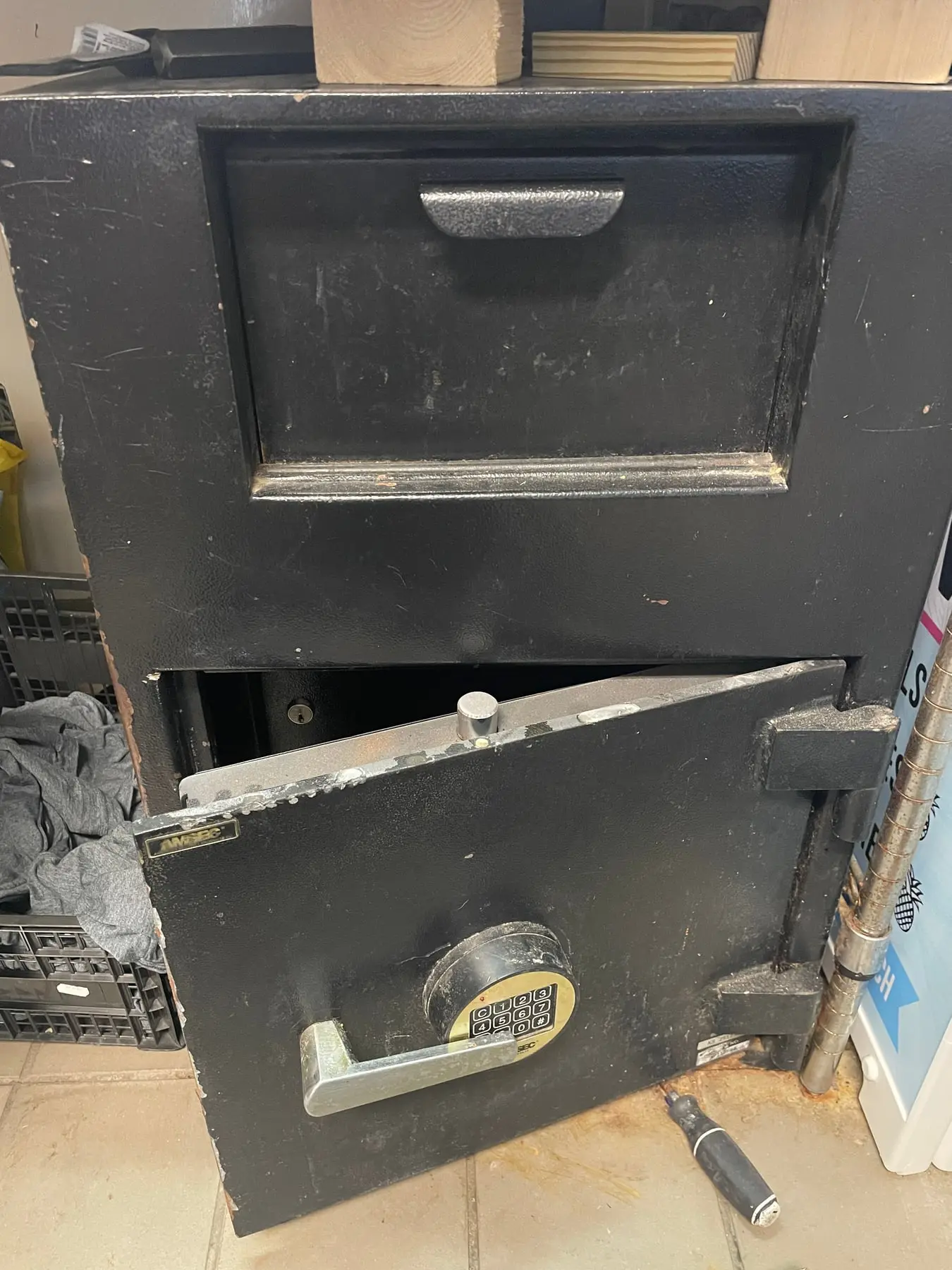
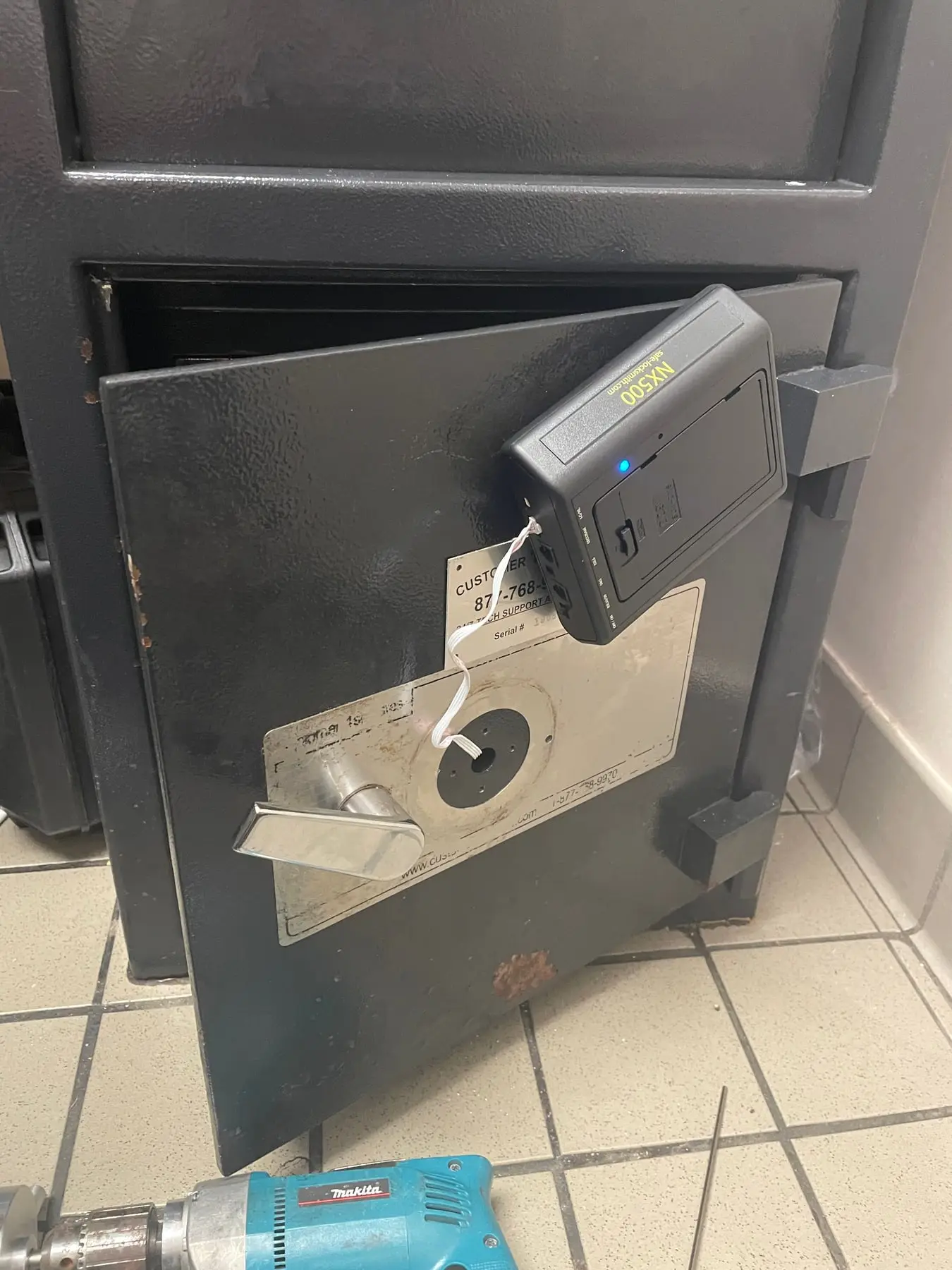
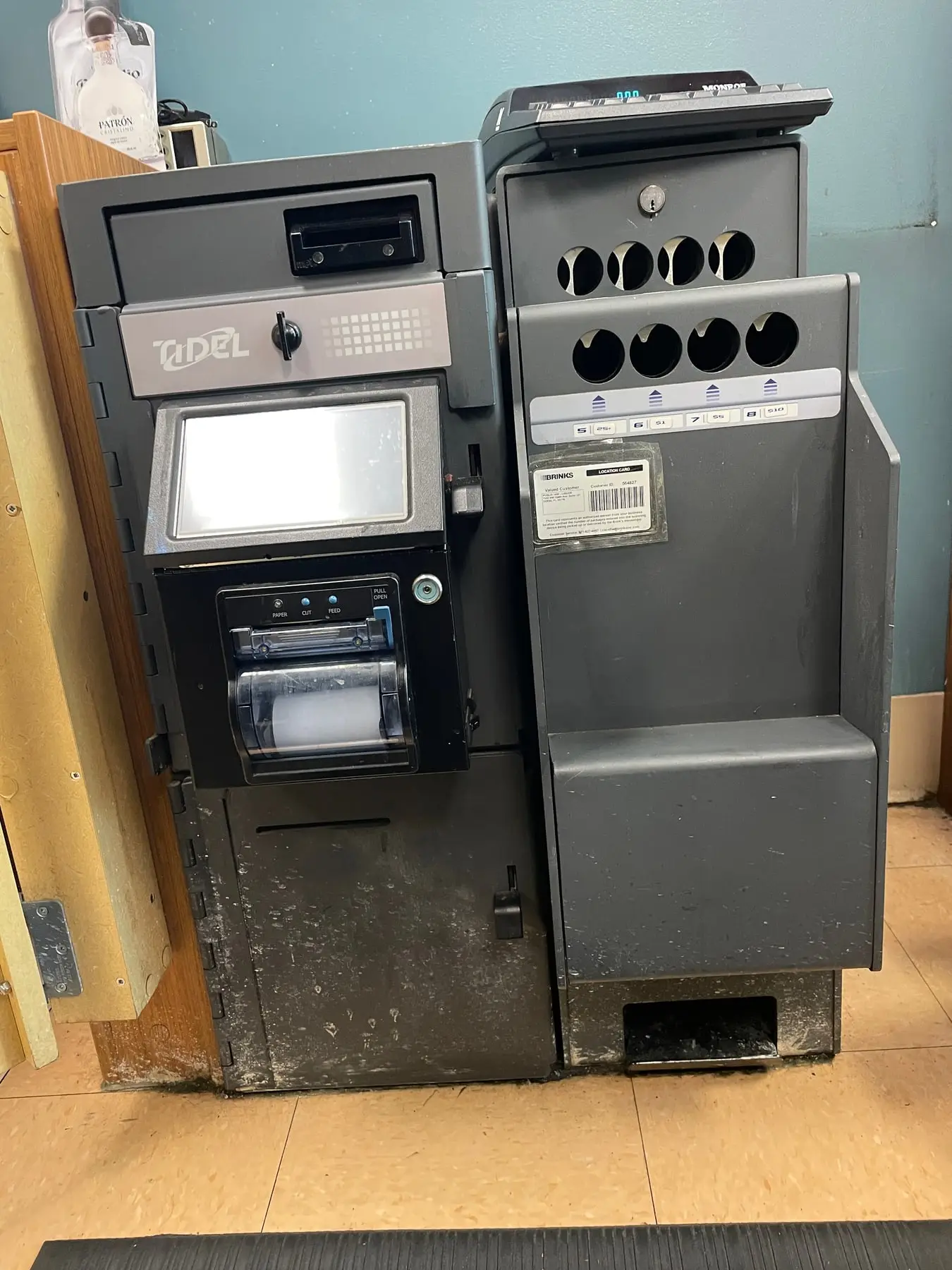
Get a quote
Send a photo. Get a price.
A photo of the door, the lock and any labels tells Yossi most of what he needs. You get a real number before anyone drives out.
- You deal with Yossi directly, not a call center.
- Quoted before the work starts.
- Registered and insured. Mobile service, 24/7.
In a hurry? It is quicker to call.
Questions
Depository safes: what people ask
Our manager quit and took the safe combination with them. Do we have to have the safe opened?
Only if the safe is locked and nobody else knows the combination. If the door is open or someone still has the code, it is a combination change, not an opening. Either way, the old combination stops working when the job is done. On electronic locks that hold separate user codes, one person's code can often be removed without changing everyone else's, depending on the lock.
We lost one of the two keys for our drop safe. Can it still be opened?
Yes. A dual-custody lock is designed so neither key works alone, so a missing key means the door stays shut. The safe is opened on-site, and the lock is then repaired or replaced with new keys so the old ones, including any that turn up later, no longer work.
Is it OK to leave the day's cash in the drop safe overnight?
Check what the manufacturer says about your model and ask your insurer. Gardall, for example, describes its heavy-duty depository safes as designed for money collection where immediate deposit is required, and says they are not meant as unprotected storage safes for overnight or lengthy periods. A safe that is right for collecting drops is not automatically right for holding a large balance.
The drop drawer sticks but the safe still opens. Is that worth fixing now?
Yes. A drawer or hopper that jams, will not close fully or does not return is a repair, and it is better handled before a deposit gets trapped in it. Because the lower door still opens, the mechanism can be looked at from inside with nothing forced. Send a photo of the drop and tell Yossi the make and what the drawer does.
Guides
Read before you call
Who Should Know the Safe Combination at a Business, and When to Change It?
How many people should know the business safe combination, the moments it has to change, and when a multi-user lock is worth it.
Read the guideTroubleshootingSafe Lockout Mode: How Long It Lasts and What Not to Do
Too many wrong codes put the keypad to sleep. Typical wait times on common locks, and how not to make it longer.
Read the guideTroubleshootingForgot Your Safe Combination? Your Legitimate Options
Lost the combination or code? The real options, from the paperwork drawer to the manufacturer to a professional opening.
Read the guideHiring a safe technicianHow Much Does It Cost to Open a Safe? What Sets the Price
No price list here, on purpose. The factors that decide what a safe opening costs, and how to get a real quote.
Read the guideAlso available
Related services
Commercial & Business Safes
Drop, depository, floor, jewelry and office safes for stores, restaurants and offices. Opened, repaired and re-coded on-site.
DetailsSafe Combination & Code Changes
A new combination on a mechanical dial or a new code on an electronic lock, set on-site and tested with the door open.
DetailsSafe Keypad & Electronic Lock Replacement
Failed safe keypads and electronic locks replaced on-site, plus dial-to-keypad and keypad-to-dial conversions.
DetailsSafe Opening & Lockouts
Lost combination, dead keypad, jammed bolt work. Opened on-site and put back in service.
DetailsBrand by brand
Where depository safes is available
Locked out right now?
Call or text a photo of the safe or lock. You get a straight answer and a real price before anyone drives out.