Miami-Dade & Broward · 24/7
Jewelry & High-Security Safes
A burglary-rated safe is built to hold off tools for a tested amount of time. Opening one properly takes planning, patience and a repair that respects what the safe was built to do.
Answered by Yossi, 24/7 · Registered & insured · Mobile service
Updated
In short
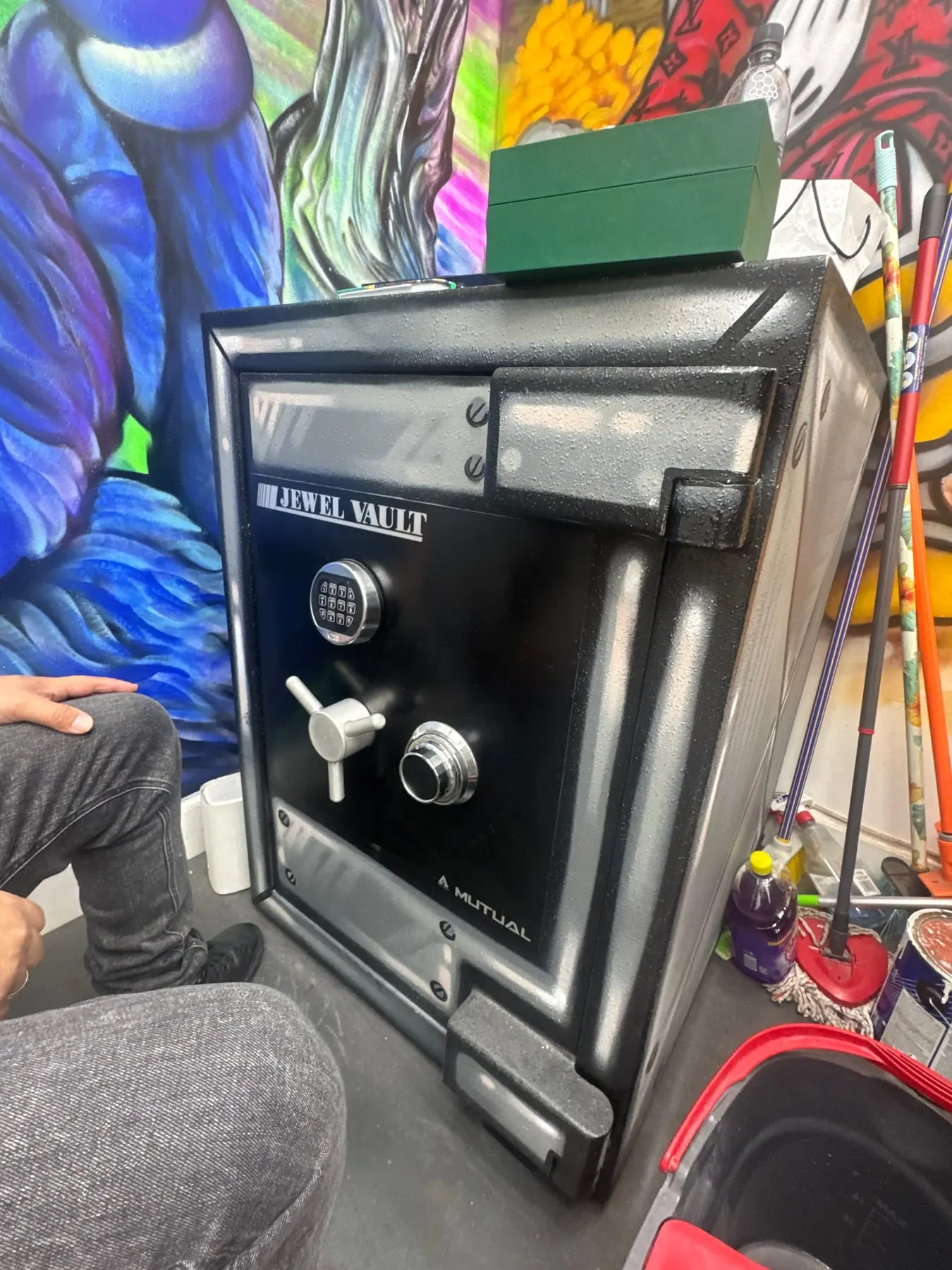
Jewelry and high-security safe service covers opening, lock repair and lock replacement on burglary-rated safes, such as UL TL-15 and TL-30 models used by jewelers and by homeowners with valuable collections. You need it when the combination is lost or a lock fails. Expect the job to take longer than an ordinary safe, followed by a careful repair.
Jewelers, pawn shops, watch dealers and private collectors keep their most valuable things in burglary-rated safes. When one of those safes will not open, the stakes and the safe are both heavier than usual. Safe Tech Locksmith works on them on-site across Miami-Dade and Broward.
What the rating on the door means
TL ratings come from UL 687, UL’s standard for burglary-resistant safes. A TL-15 or TL-30 safe is classed as tool-resistant: in UL’s tests, its door and front face held out against an attack with tools for 15 or 30 minutes of net working time. Safes marked X6, such as TL-30X6, were tested on all six sides. TRTL classes add cutting torches to the attack.
Those minutes are a way to compare safes under controlled lab testing. They are not a promise about how long a real break-in takes.
The lock has its own standards. Mechanical combination locks are tested under UL 768 for resistance to being opened by sight, touch or hearing. UL 768 does not cover electronic locks; high-security electronic locks are evaluated under a separate UL document, Subject 2058. There is more on fire and burglary classes in safe ratings explained.
Why these safes take longer to open
The same features that earn the rating slow down a professional opening. The lock sits behind hardened material, relocking devices are built to set if the lock is attacked, and some doors carry a second lock. A careless attempt can fire a relocker and turn a long job into a much longer one.
So the work starts with homework: the make, the model, the rating, the lock and what happened when it stopped working. The least invasive method that fits comes first. If drilling is needed, it is planned for that specific safe and kept to one small, measured hole that is repaired afterwards. A high-security opening can take hours rather than minutes. Our guide on whether a locksmith will drill your safe explains what to expect, and the main safe opening page covers lockouts of every kind.
Before you call
- Do not force the handle or strike the door. That is how relockers get triggered.
- If an electronic lock has rejected several codes, stop and let any penalty period run out.
- Gather what you can: a photo of the door and lock, the rating label if you can see one, purchase paperwork and any record of past lock service.
- Have ID and proof of ownership or authority ready. For a store safe, the request must come from the owner or a manager with authority over it.
After the door is open
The job ends with the safe working again. Drill points are sealed, the lock is repaired or replaced with one suited to a high-security safe, and you test it yourself with the door open. If the safe is on an insurance policy, tell your insurer what was done.
If the safe was attacked by someone else, report it to the police before anything is repaired, then read what to do after a break-in attempt. Bolt work, hinges and other damage are covered under safe repair, and other business safes under commercial safe service.
Rather hand it to a professional?Call or text Yossi, 24/7. A photo of the safe gets you a quote.
In detail
High-security safe work
TL-15 and TL-30 lockouts
Lost combinations and failed locks on tool-resistant safes, opened with a plan made for that model and that lock.
Doors with two locks
High-security doors fitted with two locks, such as a dial alongside an electronic lock, each of which can fail in its own way.
Lock repair and replacement
Worn dials and failing electronic locks replaced with locks suited to a high-security safe, then tested with the door open.
Combination changes
New combinations or codes when partners, staff or family members who knew the old ones are no longer involved.
Repair after an opening or attack
Drill points sealed and damaged hardware replaced. If the damage is too deep to trust, you will be told that plainly.
Jewelry safes at home
Smaller high-security safes in closets and dressing rooms, opened through the door and lock so the cabinetry around them is normally left alone.
From the job log
Real jobs like yours
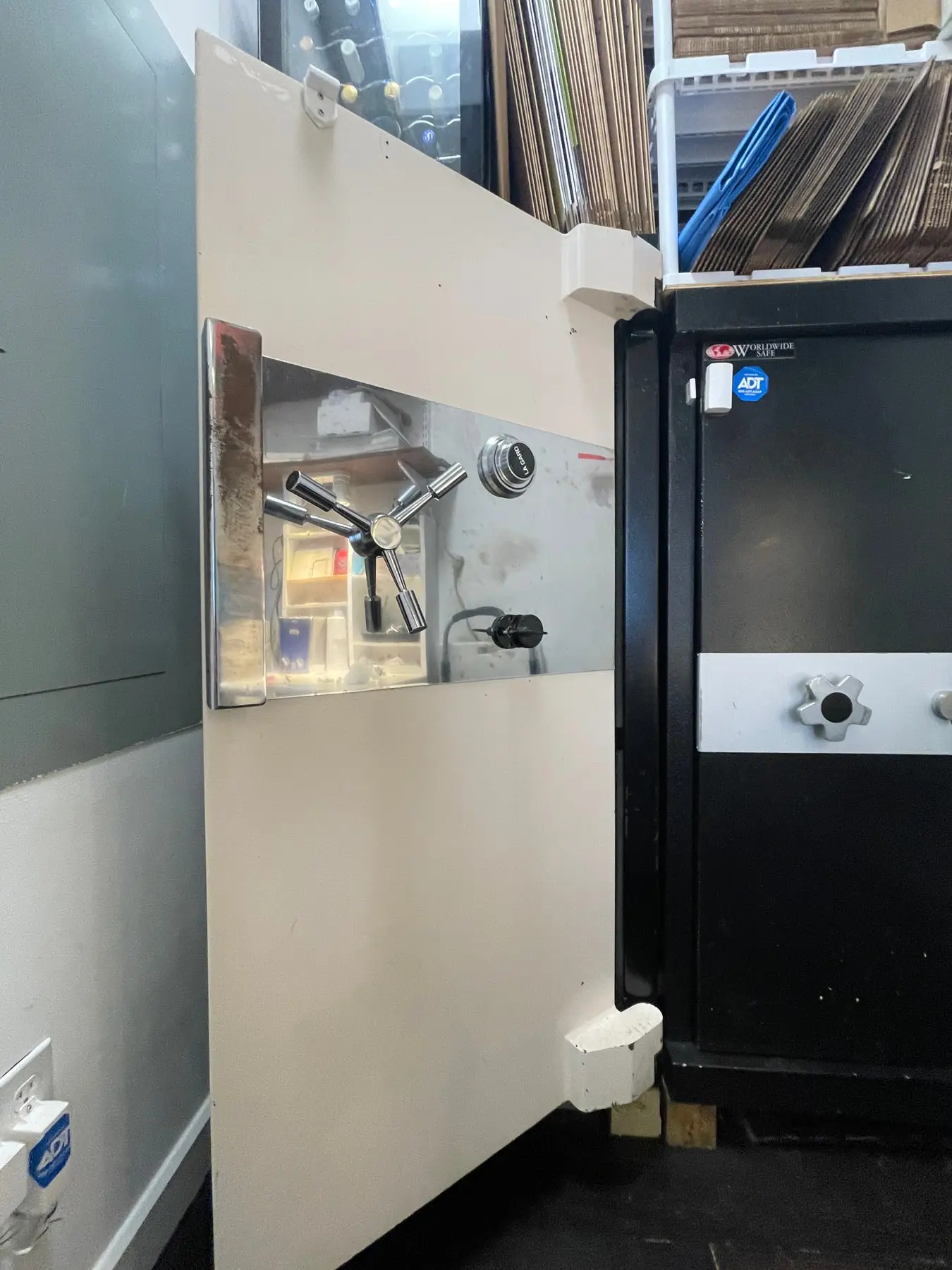
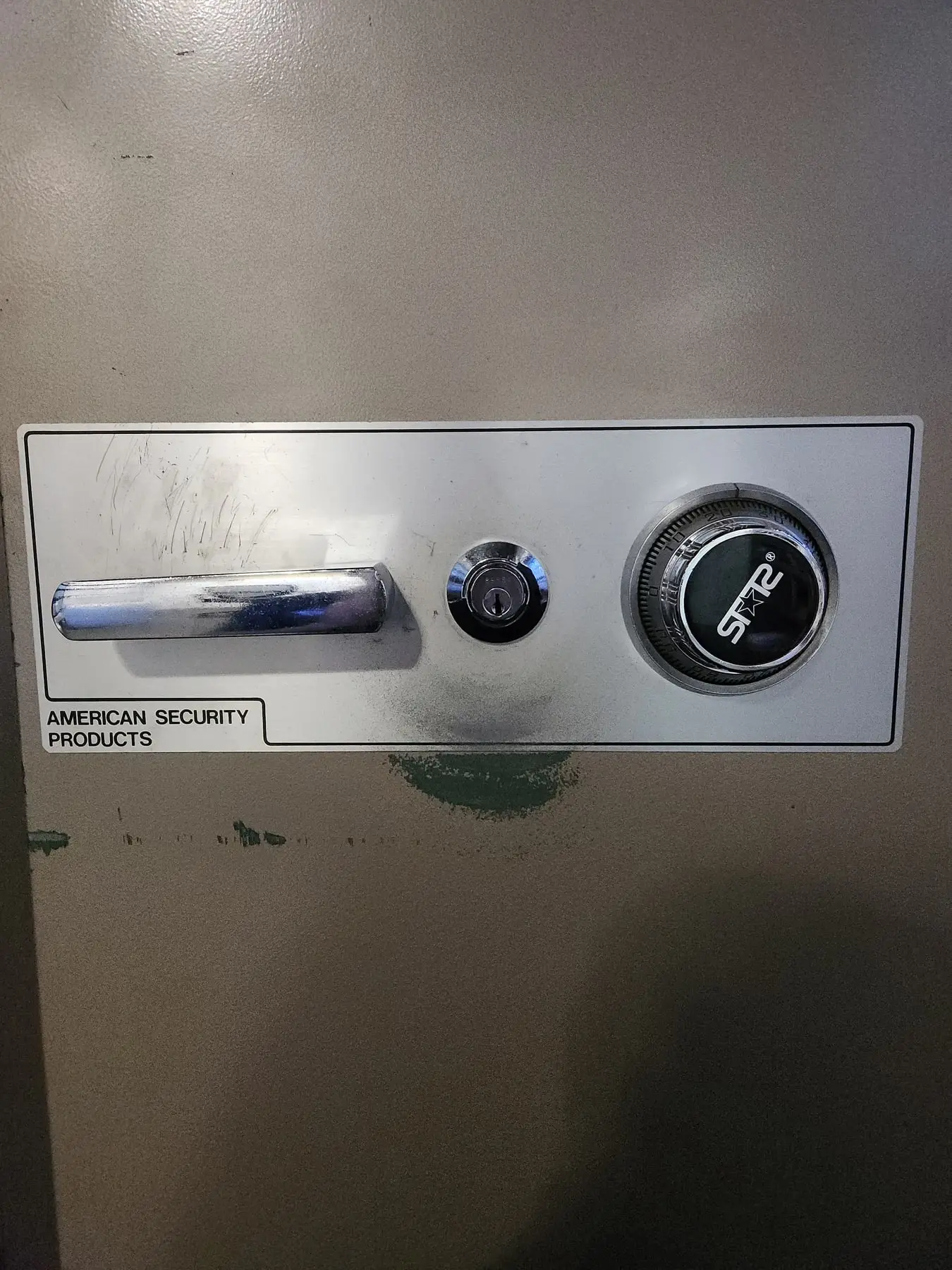
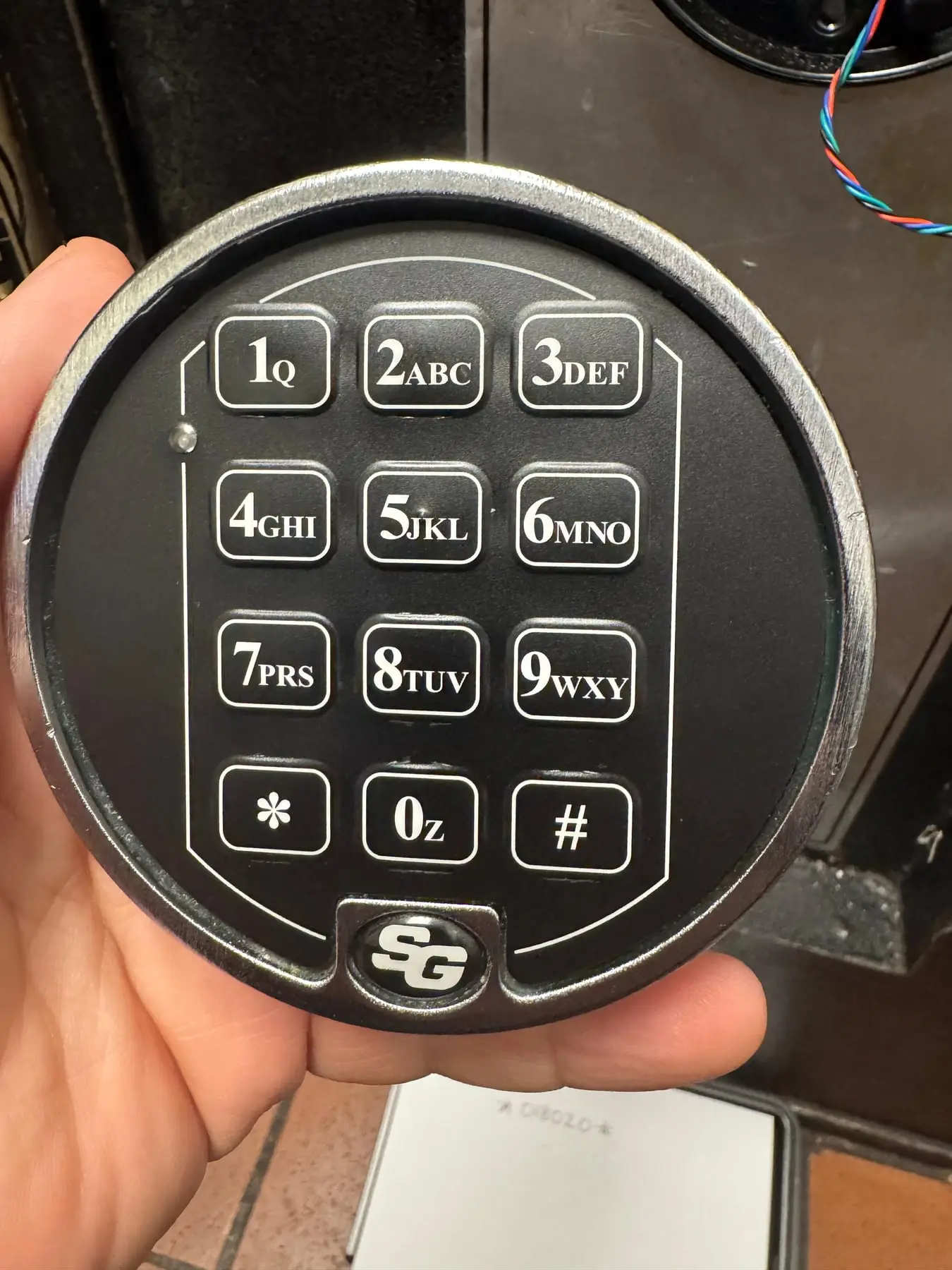
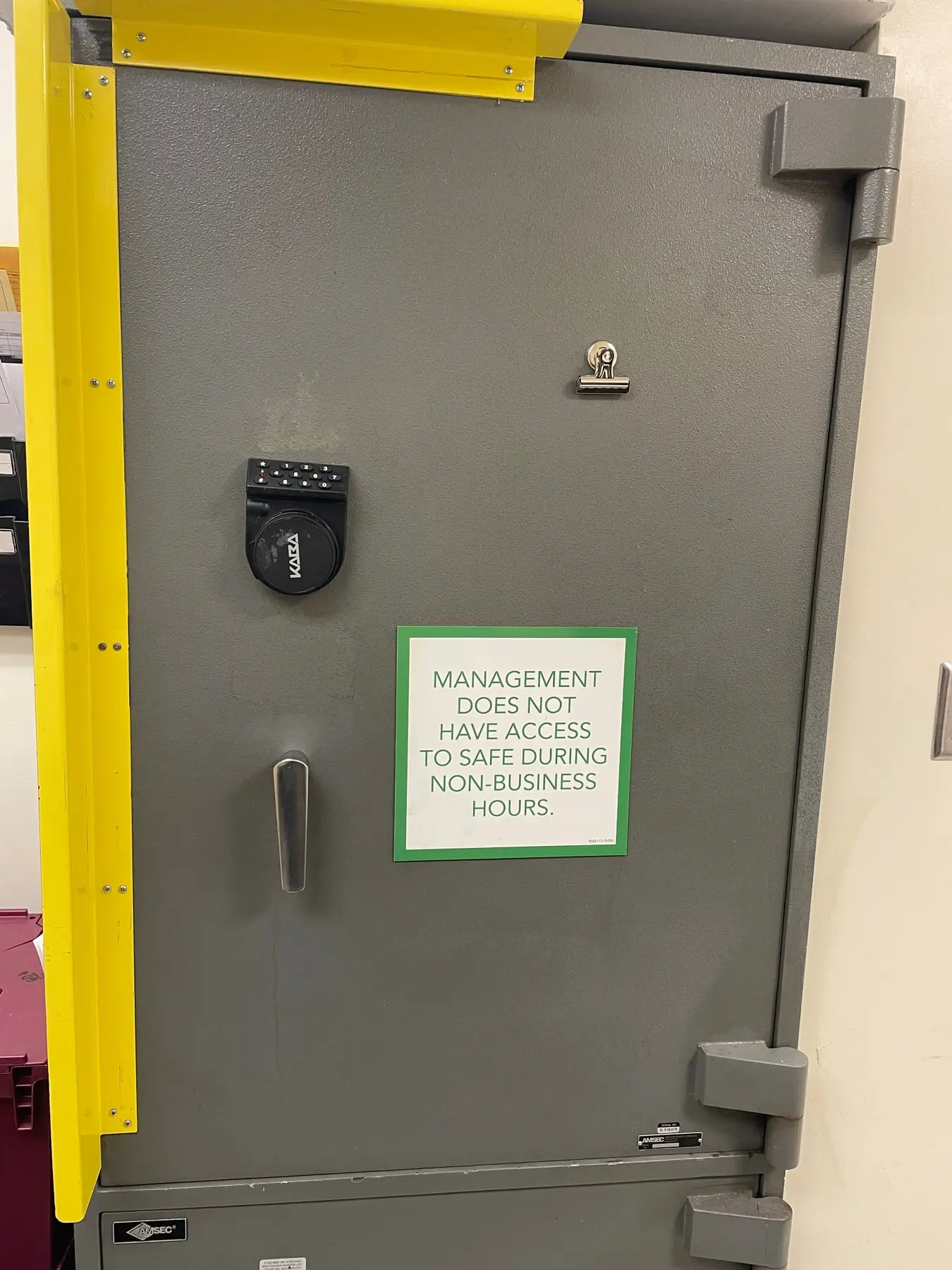
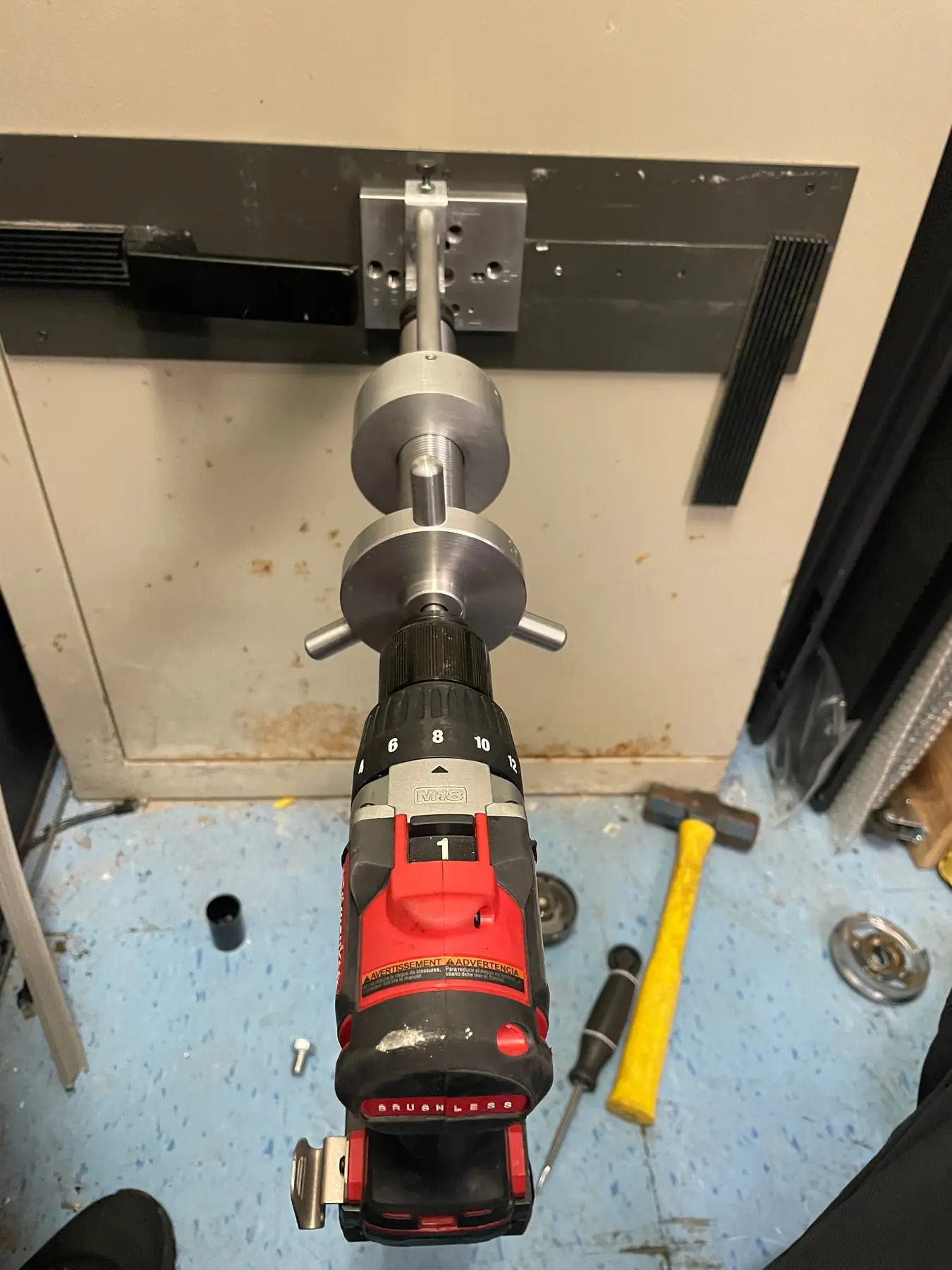
Get a quote
Send a photo. Get a price.
A photo of the door, the lock and any labels tells Yossi most of what he needs. You get a real number before anyone drives out.
- You deal with Yossi directly, not a call center.
- Quoted before the work starts.
- Registered and insured. Mobile service, 24/7.
In a hurry? It is quicker to call.
Questions
Jewelry & TL safes: what people ask
What is the difference between a TL-15 and a TL-30 safe?
The number is the test time. Under UL 687, a TL-15 safe's door and front face held out against a tool attack for 15 minutes of net working time in UL's testing, and a TL-30 for 30 minutes. An X6 rating, such as TL-30X6, means all six sides were tested, and TRTL means cutting torches were used as well as tools. The ratings compare safes; they are not a timer for a real burglary.
Why does opening a TL-30 safe take so much longer than a regular safe?
Because it was built to slow down exactly that kind of work. High-security safes protect the lock with hardened material and use relocking devices that set if the lock is attacked. Opening one without making things worse means planning around the specific model and lock. A photo of the door, the lock and any label helps Yossi tell you how much time to set aside.
Will having my rated safe opened affect my insurance?
Ask your insurer, because they decide what they accept. What Safe Tech Locksmith does is open the safe with the least invasive method that fits the lock and repair it properly afterwards. If drilling is needed, the hole is sealed and the lock repaired or replaced, and you will know exactly what was done so you can report it accurately.
Do I need a TL-rated safe for my jewelry?
Your insurer is the one to ask. Jewelers Mutual, which insures jewelers and jewelry owners, suggests talking to your agent before buying a safe so the agent and underwriter can help pick the right one. Safe Tech Locksmith does not sell safes, but can open, service and re-code the one you already own.
Can a large jewelry safe be opened without moving it?
Yes. The work is done where the safe stands, whether that is a store's back room or a closet at home. Safe Tech Locksmith does not move or install safes, so the safe stays exactly where it is before and after the job.
Guides
Read before you call
What Do Safe Ratings Like UL RSC, TL-15 and Class 350 Mean?
Burglary and fire ratings in plain language. What UL RSC, TL-15, TL-30 and Class 350 really test, and what they do not.
Read the guideHiring a safe technicianWill a Locksmith Have to Drill My Safe?
Not always. When a safe gets drilled, why, and what it looks like afterwards.
Read the guideOwning a safeSomeone Tried to Break Into My Safe. What Should I Do Now?
Police report, photos, insurance and the manufacturer's warranty come first. Then an honest look at whether the safe can be repaired.
Read the guideOwning a safeDial vs. Electronic Safe Lock: An Honest Comparison
Mechanical dial or keypad? What each does well, how each fails, and the upkeep each one needs.
Read the guideAlso available
Related services
Commercial & Business Safes
Drop, depository, floor, jewelry and office safes for stores, restaurants and offices. Opened, repaired and re-coded on-site.
DetailsSafe Opening & Lockouts
Lost combination, dead keypad, jammed bolt work. Opened on-site and put back in service.
DetailsSafe Repair: Handles, Bolt Work & Break-In Damage
Handles, bolt work, hinges, relockers, drill-point repair and damage after a break-in attempt, fixed on-site.
DetailsSafe Lock Repair & Upgrades
Dials that drift, keypads that fail, combinations too many people know. Repaired, replaced or upgraded on-site.
DetailsBrand by brand
Where jewelry & tl safes is available
Facts checked against
- UL 687, Standard for Burglary-Resistant Safes (UL Standards & Engagement)
- UL 768, Standard for Combination Locks (UL Standards & Engagement)
- UL 2058, Outline of Investigation for High-Security Electronic Locks (UL Standards & Engagement)
- Safes 101: Decoding the Underwriters Laboratories Rating System & More (Jewelers Mutual)
Locked out right now?
Call or text a photo of the safe or lock. You get a straight answer and a real price before anyone drives out.