Guide · Owning a safe
Found a Locked Safe in Your New House? Whose It Is and How to Get In
Short answer
Ask the seller first, through your real estate agent or closing agent, for the combination and whether the safe was meant to stay. Whether it is yours usually comes down to your purchase contract and whether the safe is built in, like a floor or wall safe. Once that is settled, a locksmith can open it with your ID and closing papers. This is general information, not legal advice.
- Ask the seller for the combination, keys and manual before paying anyone to open the safe.
- Your purchase contract decides what came with the house, and the Florida Bar tells buyers to check which fixtures are included.
- Anything left inside may still belong to the seller, so settle that before you open it.
- A locksmith will ask for ID and proof that you own the property, such as the closing statement or deed.
- Once you are in, change the combination, because the last owner and anyone they told still know it.
Locked out right now?Call or text Yossi, 24/7. A photo of the safe gets you a quote.
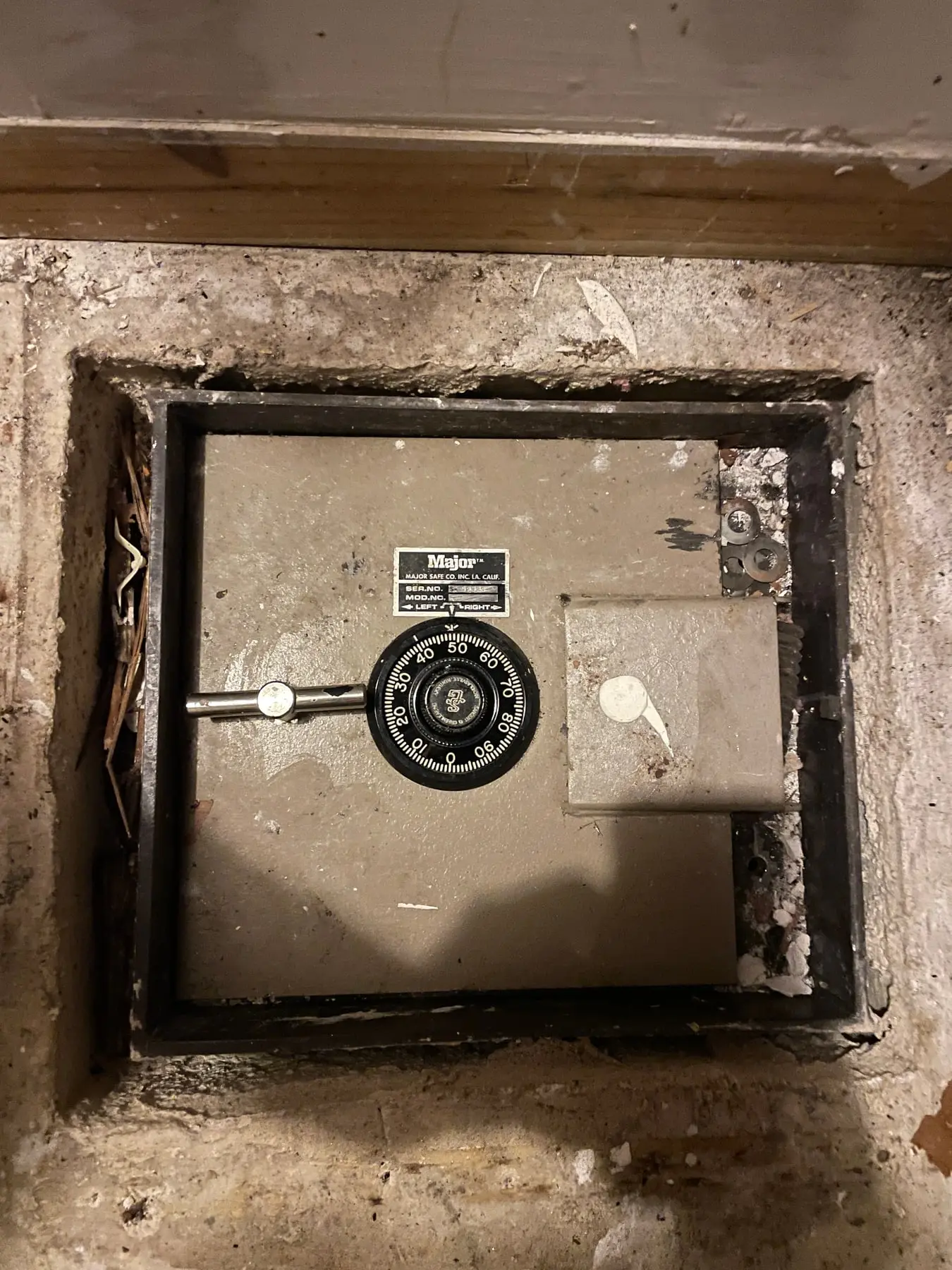
It might be a floor safe under the carpet, a wall safe behind a panel or a closet safe the last owner bolted down and left. Before anyone opens it, settle two questions: is it yours, and is anything inside someone else’s? This page is general information, not legal advice.
Is the safe yours?
Usually the answer is in your purchase contract. The Florida Bar’s consumer guide to buying a home tells buyers to check which fixtures, window treatments and appliances the contract includes and which it excludes, before signing. A safe set in the concrete floor or built into a wall is part of the structure in a way a freestanding safe is not, and is much more likely to have been sold with the house. A freestanding safe the seller simply left behind is less clear-cut.
If you are not sure, ask your real estate agent or closing agent, or a real estate attorney. It is a short conversation that saves a messy one later.
The contents are a separate question. Even if the safe is yours, what is inside may not be. Sellers forget things: papers, jewelry, cash, sometimes firearms. If there is any chance the seller left belongings inside, contact them through your agent or closing agent before you open it, and agree on how anything found will be returned. If you find something that looks illegal, call the police non-emergency line rather than handling it.
Renting is simpler. The safe is the landlord’s business. Ask them, and do not have it opened without their authorization.
What should you try before calling a locksmith?
Ask the seller. People who leave a safe behind usually leave the combination too, just not where you can find it. Ask through your agent for the combination, any keys and the manual. In a condo, the management office may know whether the safe was original to the unit.
Find the brand and serial number. Look for a label on the outside of the safe or a plate on the door. With that, you can check what the manufacturer offers. Some brands help second owners, each on its own terms. Liberty will deal with an owner who has no receipt, ProSteel (Browning) identifies safes by serial number and validates ownership before helping, and SentrySafe takes requests online with the model and serial number. What each one asks for, form by form, is in getting a combination from the manufacturer.
Do not guess at an electronic keypad. Repeated wrong codes can put the lock into a penalty lockout, and prying at the door can trip a relocker. Neither helps.
What does a locksmith need to open it?
Photo ID and proof that you own the property: the closing statement, the deed or a recent property tax bill in your name. If ownership of the safe itself was in question, bring whatever settled it, such as a note from the seller or your agent.
From there it is a normal safe opening. Send a photo of the safe and lock first so the job can be quoted before anyone comes out. The least invasive method that fits the lock comes first. If drilling is needed, it is one small, measured hole that is repaired afterwards, so you keep the safe. In-floor safes set in concrete are opened in place; nobody needs to dig them out.
Yossi opens and repairs the safe. He does not handle or take away anything inside.
What should you do once it is open?
Change the combination right away. The previous owner knows it, and so might anyone they told. Yossi can change the combination on dial and electronic locks, or replace a worn lock with a new one.
Then think about the doors. A house that changed hands often has keys floating around: past owners, contractors, a neighbor who fed the cat. Rekeying the locks makes all of those keys useless. Our guide on whether to rekey or replace your locks explains which makes sense for your doors. If the safe belonged to a relative who died rather than a seller, read opening an inherited safe instead, because the paperwork is different.
Tried all that and still stuck?Call or text Yossi, 24/7. A photo of the safe gets you a quote.
Common follow-up questions
Does a safe left in a house belong to the new owner?
Often, but not automatically. It depends on what your purchase contract includes and whether the safe is attached to the house, like a floor safe set in concrete or a wall safe. A freestanding safe the seller forgot is a different situation. Ask your agent or a real estate attorney if the contract is unclear.
The seller is not answering. Can I just have the safe opened?
If your agent or attorney agrees the safe came with the house, yes. Expect to show photo ID and proof that you own the property, such as the closing statement or deed. If ownership is unclear, get an answer in writing first, especially if there might be something of the seller's inside.
Can the manufacturer give the combination to a second owner?
Sometimes. A second owner has no receipt and no registration, so it comes down to what each maker will accept instead. Liberty has a route for owners without a receipt, and Browning's maker, ProSteel, does not require advance registration but validates ownership before helping. Have the serial number ready and ask the maker directly what it needs from someone who bought the house, not the safe.
I am renting and found a locked safe. Who decides?
Usually the landlord. Ask them, and get their authorization before anyone opens it. If they want it opened, Yossi will need their authorization along with your ID.
Sources
- Buying a Home, consumer pamphlet (The Florida Bar)
- Combination/Key Request (Liberty Safe)
- Customer service and serial number identification (Browning ProSteel Safes)
- Lost Key or Combination (SentrySafe)
General information, not legal or insurance advice. Lock behavior varies by model, so check the manual for yours.